Ever wonder what the secret is to that ridiculously creamy, velvety-smooth foam on your favorite coffee shop latte? It’s not magic, and you don’t need a five-thousand-dollar espresso machine to achieve it. A huge part of the puzzle lies in one simple ingredient: the milk. So, if you’re asking yourself What Is The Best Milk For Frothing, you’ve come to the right place. We’re about to dive deep into the science and art of milk foam, turning your kitchen into a private cafe.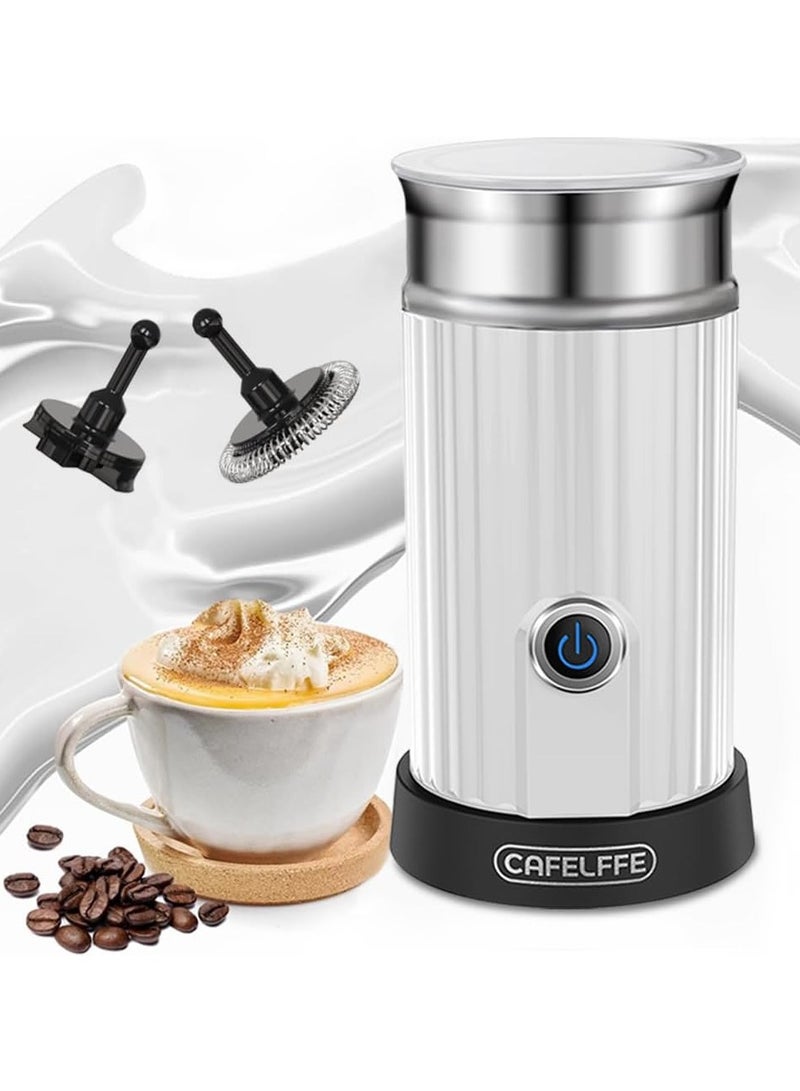
Let’s be real, a homemade latte or cappuccino that doesn’t have that signature silky microfoam is just… sad coffee with milk. The foam is the crown jewel, the element that transforms a good drink into a great one. It’s what allows for beautiful latte art and provides that luxurious mouthfeel we all crave. But not all milks are created equal in the eyes of a steam wand or an electric frother. The key lies in the perfect balance of two things: proteins and fats. Proteins are the architects, creating the structure of the bubbles. Fats are the flavor carriers, giving the foam its rich, creamy texture. Get this balance right, and you’re on your way to caffeinated glory.
Why the Milk You Choose is a Frothing Game-Changer
Before we crown a winner, it’s crucial to understand why some milks froth up like a dream while others fall flat. Think of it like this: when you introduce air and heat into milk with a frother, the milk proteins (specifically whey and casein) unravel and wrap themselves around the air bubbles, creating a stable foam.
The fat content plays a supporting role. While too much fat can weigh down the bubbles, making them less stable, the right amount contributes to that silky, melt-in-your-mouth texture that separates professional-grade microfoam from a bubbly mess. This delicate dance between protein and fat is the secret sauce.
The Undisputed Champion: Whole Dairy Milk
If you’re looking for the gold standard, look no further. Ask any professional barista what is the best milk for frothing, and nine times out of ten, they’ll point you to a cold carton of whole dairy milk.
- Protein Power: Whole milk has the ideal protein content (around 3.3%) to create a tight, stable bubble structure, resulting in what’s known as “microfoam.” This isn’t the big, airy foam you might get from a cheap cappuccino; it’s a dense, paint-like foam that integrates beautifully with espresso.
- Fat for Flavor and Feel: The fat content (typically 3.25% to 3.5%) is just right. It provides a rich, sweet flavor that complements coffee perfectly and gives the foam a luxurious, velvety texture that’s essential for latte art.
Barista’s Tip: “Always, and I mean always, start with fresh, ice-cold milk straight from the fridge. Warm milk simply won’t build the same structure. The proteins need that cold start to work their magic as they heat up.” – Isabella Rossi, Lead Barista & Coffee Educator
What about other dairy options?
- Reduced-Fat (2%) Milk: A solid runner-up. It froths very easily, often creating more volume than whole milk because it has less fat to weigh it down. However, the foam can be a bit more airy and less creamy, and the flavor is not as rich.
- Skim (Non-Fat) Milk: This one is for the foam fanatics who prioritize volume over texture. Skim milk creates mountains of stiff, dry foam due to its high protein-to-fat ratio. But beware, this foam is often meringue-like and tends to sit on top of the coffee rather than blending in. It’s not ideal for latte art or a silky mouthfeel.
The Plant-Based Revolution: What is the Best Non-Dairy Milk for Frothing?
For those who are dairy-free, the quest for the perfect foam used to be a frustrating one. Thankfully, the coffee world has evolved, and there are now some incredible plant-based options that give dairy a run for its money. The key here is to look for “Barista Edition” or “Barista Blend” versions of your favorite plant-based milk. These are specially formulated with added proteins, fats (like sunflower or rapeseed oil), and emulsifiers to mimic the frothing capabilities of dairy milk.
Oat Milk: The Barista’s Darling
Oat milk is the undisputed king of the non-dairy frothing world. Its naturally creamy texture and relatively neutral, slightly sweet flavor make it a perfect partner for coffee.
- Why it Works: Barista-edition oat milks have the perfect viscosity and added ingredients to create a stunningly silky microfoam that is durable enough for even intricate latte art.
- Best For: Lattes, cappuccinos, flat whites—pretty much everything. It’s the most versatile and reliable dairy alternative.
Soy Milk: The Dependable Classic
Before oat milk stole the show, soy milk was the go-to alternative. Thanks to its high protein content, it froths consistently and creates a dense, stable foam.
- Why it Works: The protein content in soy is very similar to dairy milk, giving it a natural advantage in creating structure.
- Keep in Mind: Some people find soy milk has a distinct “beany” flavor that can overpower the coffee. It’s a matter of personal preference.
Almond Milk: A Tricky Contender
Standard almond milk can be challenging. It’s naturally low in both protein and fat, which often results in a thin foam with large bubbles that disappear in a flash.
- Why it’s Tricky: The lack of essential components means it can’t create and hold a stable foam structure.
- The Solution: You absolutely must use a barista blend. These versions have added proteins and stabilizers that make a world of difference, though the foam will still generally be lighter than what you’d get from oat or soy.
A Step-by-Step Guide to Perfect Froth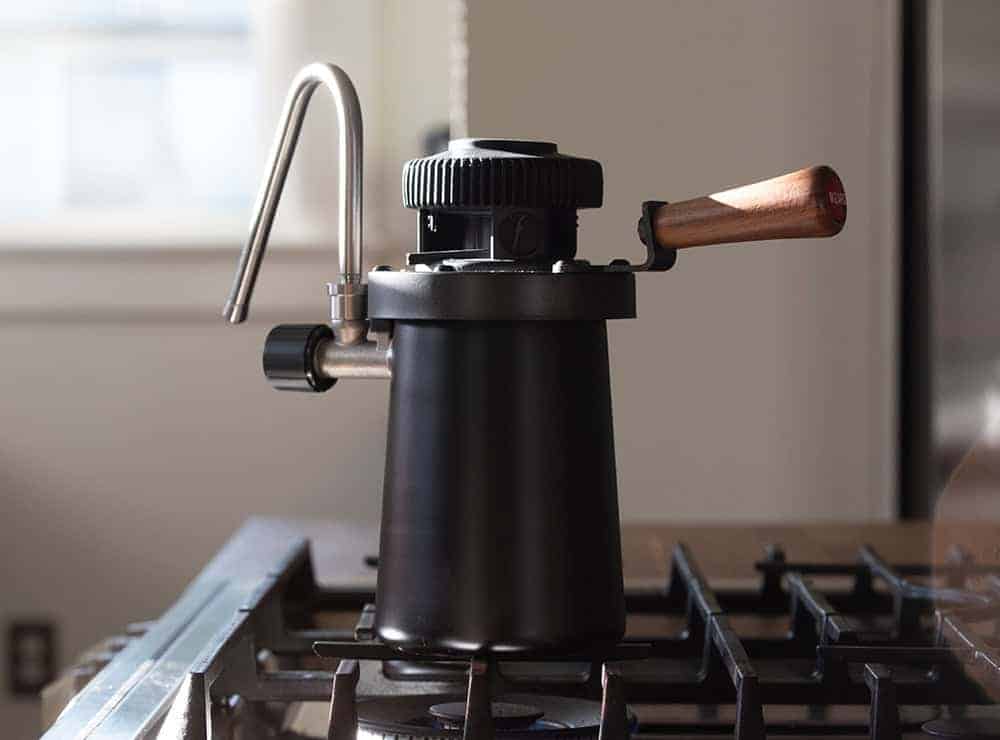
Having the right milk is half the battle. The other half is technique. Whether you’re using a steam wand on an espresso machine or a standalone electric milk frother, these principles apply.
- Start Cold: We can’t stress this enough. Pour your chosen milk into a cold frothing pitcher. The ideal starting temperature is just above freezing.
- Measure Up: Don’t overfill! The milk will expand to nearly double its volume. Fill your pitcher to just below the base of the spout—usually about one-third to one-half full.
- Aerate (The “Stretch”): Position the tip of your steam wand or frother just below the surface of the milk. You want to hear a gentle “tss-tss-tss” or hissing sound. This is you introducing air and creating the foam. Do this for just a few seconds until the milk has increased in volume by about 30-50%.
- Incorporate (The “Spin”): Once you’ve added enough air, submerge the wand deeper into the milk, positioning it off-center to create a whirlpool. This spinning motion breaks down large bubbles into smaller ones, creating that silky, uniform microfoam.
- Watch the Temperature: The sweet spot is between 140-155°F (60-68°C). If you don’t have a thermometer, use the hand test: once the pitcher is too hot to comfortably hold for more than a second, it’s ready. Overheating will scald the milk, ruin the flavor, and destroy the foam.
- The Final Polish: Once you’re done, immediately tap the pitcher firmly on the counter a couple of times to pop any large, remaining bubbles. Then, gently swirl the milk in the pitcher until it has a glossy, wet-paint-like sheen. Now you’re ready to pour.
Frequently Asked Questions (FAQ)
Q: Why isn’t my milk frothing properly?
A: The most common culprits are that the milk isn’t fresh, it isn’t cold enough, or you’re using a type of milk (like standard almond or rice milk) that lacks the necessary protein and fat content. Also, ensure your frothing equipment is perfectly clean, as any residue can inhibit foam creation.
Q: Can you re-steam or re-froth milk?
A: It’s a big no-no. Once the proteins in the milk have been heated and denatured, they can’t create a stable foam a second time. Attempting to re-froth milk will result in a flat, bubbly, and often burnt-tasting liquid. Always start with fresh, cold milk.
Q: What is the absolute best plant-based milk for latte art?
A: Barista-edition oat milk is the clear winner for latte art. It creates a stable, silky, and elastic microfoam that behaves very similarly to whole dairy milk, allowing you to pour detailed designs like rosettas and hearts.
Q: Does UHT (long-life) milk froth well?
A: Yes, surprisingly well! The ultra-high temperature pasteurization process alters the proteins in a way that often makes them froth even more easily and create a very stable foam. Some people notice a slightly different, “cooked” taste, but it’s a great option to keep in your pantry.
Q: How much does the type of frother affect the outcome?
A: It matters quite a bit. A powerful steam wand on an espresso machine offers the most control and can produce the best quality microfoam. High-quality automatic electric frothers can also produce excellent results with minimal effort. Handheld, battery-operated frothers are great for a quick, airy foam but struggle to create true microfoam. We have a complete guide to choosing the right milk frother that can help you decide.
The Final Pour
So, after all this, what is the best milk for frothing? For a no-fuss, guaranteed-to-impress result, cold, fresh whole dairy milk remains the undisputed champion. It provides the perfect trifecta of flavor, texture, and stability. However, for the plant-based crowd, a high-quality barista-edition oat milk is an incredibly close second, delivering a cafe-worthy experience without the dairy.
Ultimately, the best milk is the one that you enjoy drinking and that works with your equipment. Don’t be afraid to experiment. Grab a couple of different types, practice your technique, and pay attention to the temperature. Soon enough, you’ll be ditching the coffee shop line and creating your own delicious, beautifully foamed masterpieces right at home.