Ever find yourself staring mesmerized at the beautiful tulip or intricate swan sitting atop your cafe latte, wondering, “How on earth did they do that?” You might think it requires years of training and a magically steady hand. While skill is certainly part of it, many baristas have a secret weapon in their arsenal. So, What Is A Latte Art Pen? In short, it’s the simple, elegant tool that transforms a good-looking coffee into a work of art, and it’s your ticket to becoming a home-barista legend.
Let’s be honest, that moment you hand a friend or family member a coffee with a perfectly drawn heart on it is a game-changer. It elevates the entire experience. This guide will demystify this brilliant little tool. We’ll break down what it is, how to use it, and why it’s the perfect partner for your beloved milk frother.
So, What Exactly is a Latte Art Pen?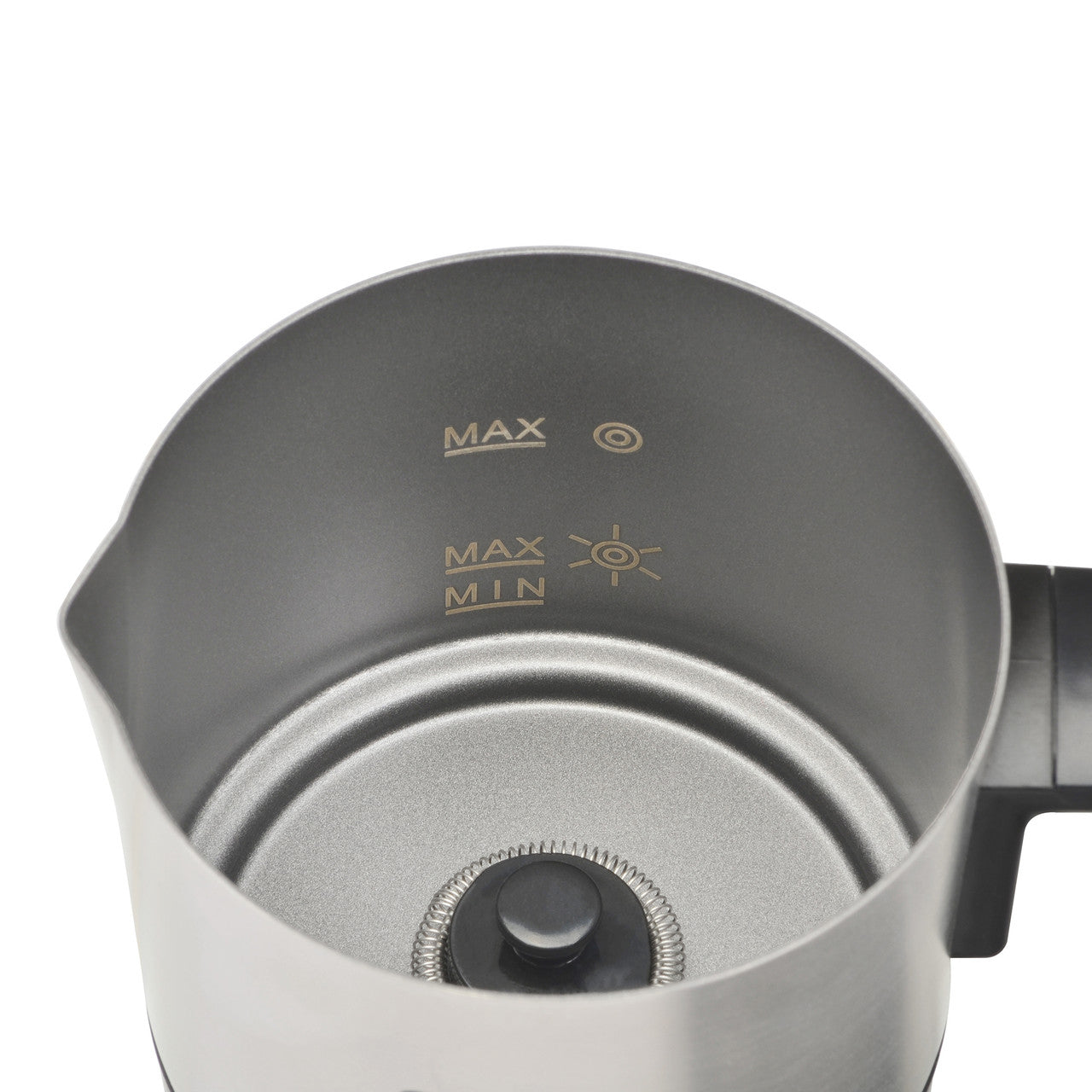
A latte art pen, often called an etching tool or coffee decorating pen, is a small, pen-shaped instrument typically made from stainless steel. It’s designed specifically for creating detailed designs on the surface of frothed milk.
Think of it like a fine-tipped paintbrush for your coffee. It usually features two distinct ends:
- The Pointed Tip (The “Nib”): This sharp, needle-like end is for drawing fine, delicate lines. It’s perfect for adding whiskers to a cat face, creating the veins in a leaf, or signing your “initials” in the foam. You use it to pull the dark crema through the white milk foam, or vice versa.
- The Flat Spoon (The “Spatula”): This small, spoon-shaped or flattened end is for dragging and shaping larger areas of foam. You can use it to gently pull blobs of foam into place to form the petals of a flower or to clean up the edges of your design.
This dual-functionality makes the latte art pen an incredibly versatile tool for a technique known as “etching,” which is distinct from the more common “free-pouring” method you see baristas use to create rosettas and hearts just by pouring the milk.
Why You Need More Than Just a Pen for Great Latte Art
Here’s a reality check: a latte art pen is like having the world’s best paintbrush without any paint or a canvas. To make it work, you need the right foundation. The true star of the show isn’t the pen—it’s the milk.
The Canvas: Perfect Microfoam
Before you even think about drawing, you need to create a flawless canvas. This means mastering the art of milk steaming to produce microfoam.
Microfoam is steamed milk that has been perfectly aerated to create a silky, velvety texture with no visible bubbles. It has a wet-paint-like consistency and a glossy sheen. This is the only surface that will hold a detailed design.
If your milk is too bubbly or too thin, your art will fall apart in seconds. This is where a quality milk steamer or frother becomes absolutely essential. Whether you have a powerful steam wand on your espresso machine or a standalone electric frother, your goal is to achieve that perfect, paint-like texture. Without it, your latte art pen is just a fancy metal stick.
|
Our Picks for the Best Milk Steamer in 2025
As an Amazon Associate, we earn from qualifying purchases.
|
||
| Num | Product | Action |
|---|---|---|
| 1 | Milk Frother and Steamer, Large Capacity Detachable Electric Milk Frother, Automatic Warm and Cold Foam Maker, Hot Chocolate Maker, BPA Free, Black |

|
| 2 | Subminimal NanoFoamer Pro Gen-2 – Revolutionary Hands-Free Microfoam Milk Maker for Cafe-Quality Foam, Coffee Bar Accessories for Dairy & Plant-Based Milk, Perfect Coffee Gifts – US Plug Type |
|
| 3 | Milk Frother and Steamer, Large Capacity Detachable Electric Milk Frother, Automatic Warm and Cold Foam Maker, Stainless Steel Jug, BPA Free |
|
| 4 | Instant Pot Milk Frother, 4-in-1 Electric Milk Steamer, 10oz/295ml Automatic Hot and Cold Foam Maker and Milk Warmer for Latte, Cappuccinos, Macchiato, From the Makers of Instant 500W, Black |
|
| 5 | Electric Milk Frother and Steamer, 16.9oz/500ml Milk Steamer and Frother for Latte, Dishwasher Safe, BPA Free, 4 Functions, Enjoy Perfect Milk Froth in 2 Min - White |
|
| 6 | Nespresso Aeroccino 3 Milk Frother, Black, Steel |
|
| 7 | Dreo Milk Frother [Upgraded], All-in-1 Electric Foam Maker for Coffee, 15oz/450ml Automatic Foam Frother for Latte Art-level Microfoam, 30+ Drinks, Dishwasher Safe, Easy to Clean, LED display |
|
| 8 | SIMPLETASTE Milk Frother, 4-in-1 Electric Milk Steamer, Automatic Warm and Cold Foam Maker and Milk Warmer for Latte, Cappuccinos, Macchiato |
|
| 9 | Dreo Milk Frother [Upgraded], All-in-1 Electric Foam Maker for Coffee, 15oz/450ml Automatic Foam Frother for Latte Art-level Microfoam, 30+ Drinks, Dishwasher Safe, Easy to Clean, LED display |
|
| 10 | SIMPLETASTE Milk Frother, 4-in-1 Electric Milk Steamer, Automatic Warm and Cold Foam Maker and Milk Warmer for Latte, Cappuccinos, Macchiato |
|
How to Use a Latte Art Pen: A Step-by-Step Guide
Ready to give it a shot? Grab your espresso, your perfectly frothed milk, and your new favorite tool. Let’s make some art.
- Prepare Your Base: Pull a fresh shot of espresso into your cup. Immediately after, steam or froth your milk to that perfect microfoam consistency.
- Create a Foundation: Pour the steamed milk into the espresso. You can start by creating a basic shape with a free-pour if you feel comfortable. A simple circle or a heart (a “blob” and pull-through) makes an excellent starting point. This gives you a clear white canvas to work on.
- Start Etching: Hold your latte art pen like you would a regular pen. Dip the pointed tip just below the surface and draw.
- To create a dark line: Start in a white, foamy area and drag the tip through to a dark, crema-rich area. The pen will pull the dark espresso color with it.
- To create a white line: Do the opposite. Start in the crema and pull the white foam through it.
- Work Quickly: Latte art is a race against time. The foam and crema will begin to separate within a minute, so have a design in mind and execute it confidently.
- Use the Spoon End: Use the flattened end to drag larger sections of foam or to gently push and shape your design. It’s great for rounding out the petals on a flower or creating a wider pull-through effect.
- Practice on a Simple Design: A spiderweb is a fantastic beginner’s design. Create a few concentric circles of crema (or chocolate syrup) on your foam, then use the pointed tip of the pen to drag lines from the center outwards. Voila!
Pro Tips from a Barista for Mastering Your Pen
I’ve made my fair share of lattes that looked more like abstract blobs than beautiful art. It’s all part of the process! Here are a few tips I’ve picked up along the way to speed up your learning curve.
- Start Simple: Don’t try to create a detailed portrait on your first go. Master drawing a simple heart, then turning that heart into a tulip by drawing lines through it.
- The Right Milk is Crucial: Whole milk is the easiest to work with. Its higher fat and protein content creates a more stable and forgiving foam. Oat milk is a fantastic dairy-free alternative that also froths up beautifully.
- Temperature Matters: For the sweetest taste and best texture, aim for a milk temperature between 140-155°F (60-68°C). Any hotter and the milk can scald; any cooler and the foam won’t be as stable.
- Keep it Clean: Wipe the tip of your latte art pen with a damp cloth between strokes. This prevents colors from getting muddy and keeps your lines crisp and clean.
As our resident coffee expert, Alex Chen, always says, “The secret to beautiful etching isn’t the complexity of the design, but the quality of the microfoam. Your art can only be as good as your canvas. Focus on your milk first, and the pen will feel like a magic wand.”
What to Consider When Buying a Latte Art Pen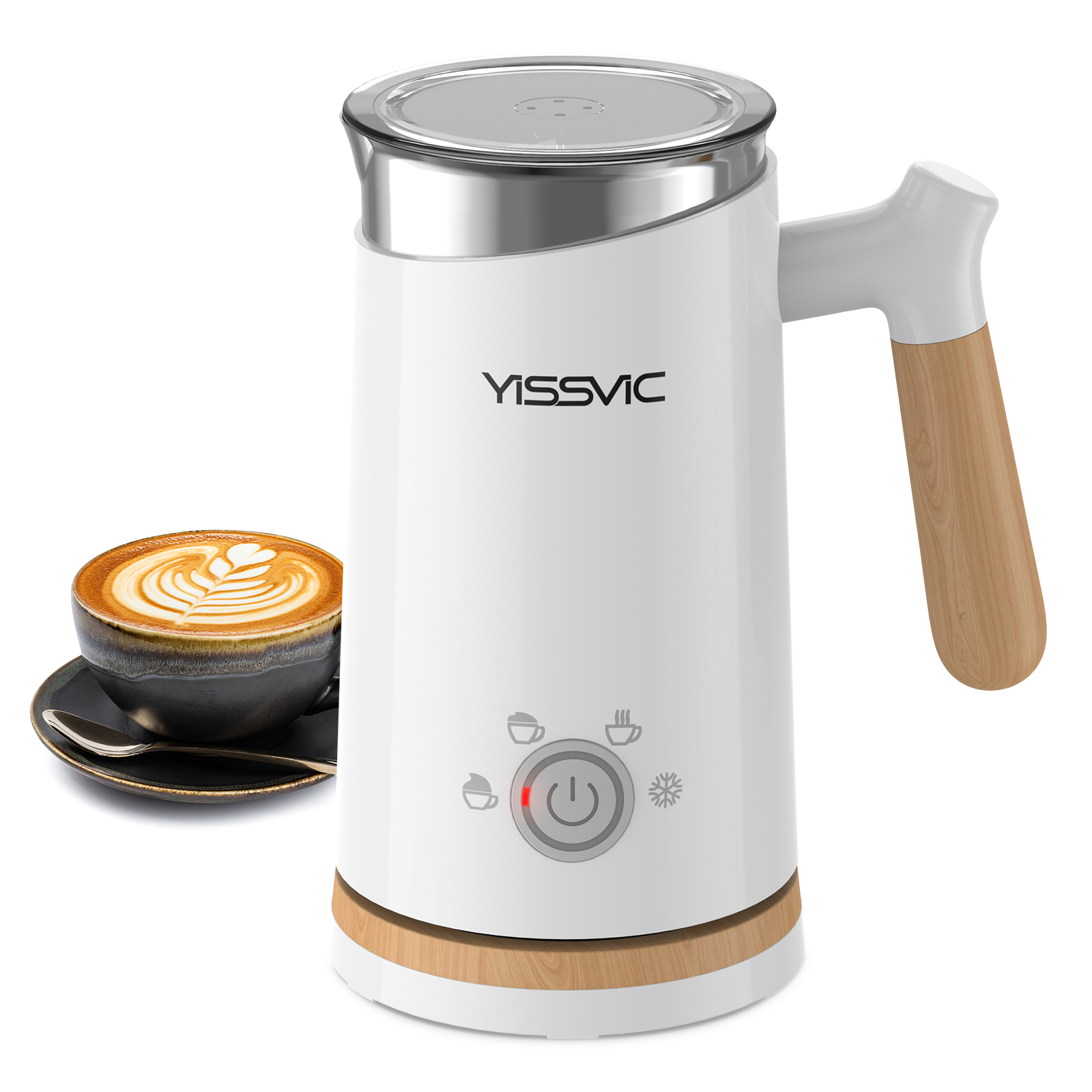
The good news is that you don’t need to break the bank to get a great latte art pen. They are one of the most affordable barista tools you can buy. Here’s what to look for:
- Material: Look for 100% stainless steel. It’s durable, easy to clean, and won’t impart any flavors to your coffee.
- Grip and Weight: Find one that feels comfortable in your hand. Some have textured grips for better control, which can be helpful when your hands are a little wet.
- Simplicity is Key: While you might see pens with fancy, interchangeable tips, the classic pointed-tip-and-spoon combo is all a professional barista—or a home enthusiast—really needs.
Frequently Asked Questions
Can I use a toothpick or a skewer instead of a latte art pen?
You can, but it’s not ideal. A toothpick is often too short and flimsy, and its wooden texture can drag the foam. A latte art pen is designed for the job—it’s the right length, weight, and material to glide smoothly through the foam for clean, precise lines.
Do I need a latte art pen for free-pour art like rosettas?
No, you don’t. Free-pour art, like the classic rosetta or heart, is created entirely by the motion of pouring steamed milk from a pitcher. A latte art pen is for the “etching” technique, which involves drawing on the surface after the pour is complete.
What is the best milk for making latte art?
Whole dairy milk is widely considered the best for beginners due to its high fat content, which creates a stable, creamy microfoam. For non-dairy options, barista-edition oat milk is a fantastic and popular choice.
How do I get started with a really simple design?
Start with a dot of milk foam in the center of your cup. Then, dip the pen in the dark crema around the edge and draw a line to the white dot. Repeat this around the circle to create a simple flower or sunburst pattern. It’s easy and looks impressive!
Is a latte art pen hard to use?
Not at all! The tool itself is very simple. The “hard” part is creating the perfect microfoam canvas. Once you master your milk frothing, using the pen will feel natural and fun.
Your Coffee Is Your Canvas
So, what is a latte art pen? It’s more than just a tool; it’s an invitation to be creative. It’s the final touch that transforms your daily coffee ritual into a moment of personal expression. Paired with a great milk frother and a little bit of practice, it empowers you to bring the magic of the coffee shop right into your own kitchen. You no longer have to just admire beautiful latte art—you can create it. Now go on, your canvas is waiting.