Oh, that dreaded sound. The plastic crack that echoes through the kitchen, followed by that sinking feeling in your stomach. You were just getting ready to whip up a perfect latte, and now you’re staring at your beloved milk frother, wondering What To Do If The Lid Is Broken. Don’t panic and definitely don’t toss the whole machine just yet. I’ve been there, and trust me, this is often a salvageable situation. This guide is your complete action plan, walking you through everything from a quick assessment to finding a replacement, and even how to prevent this coffee catastrophe from happening again.
First Things First: Assess the Damage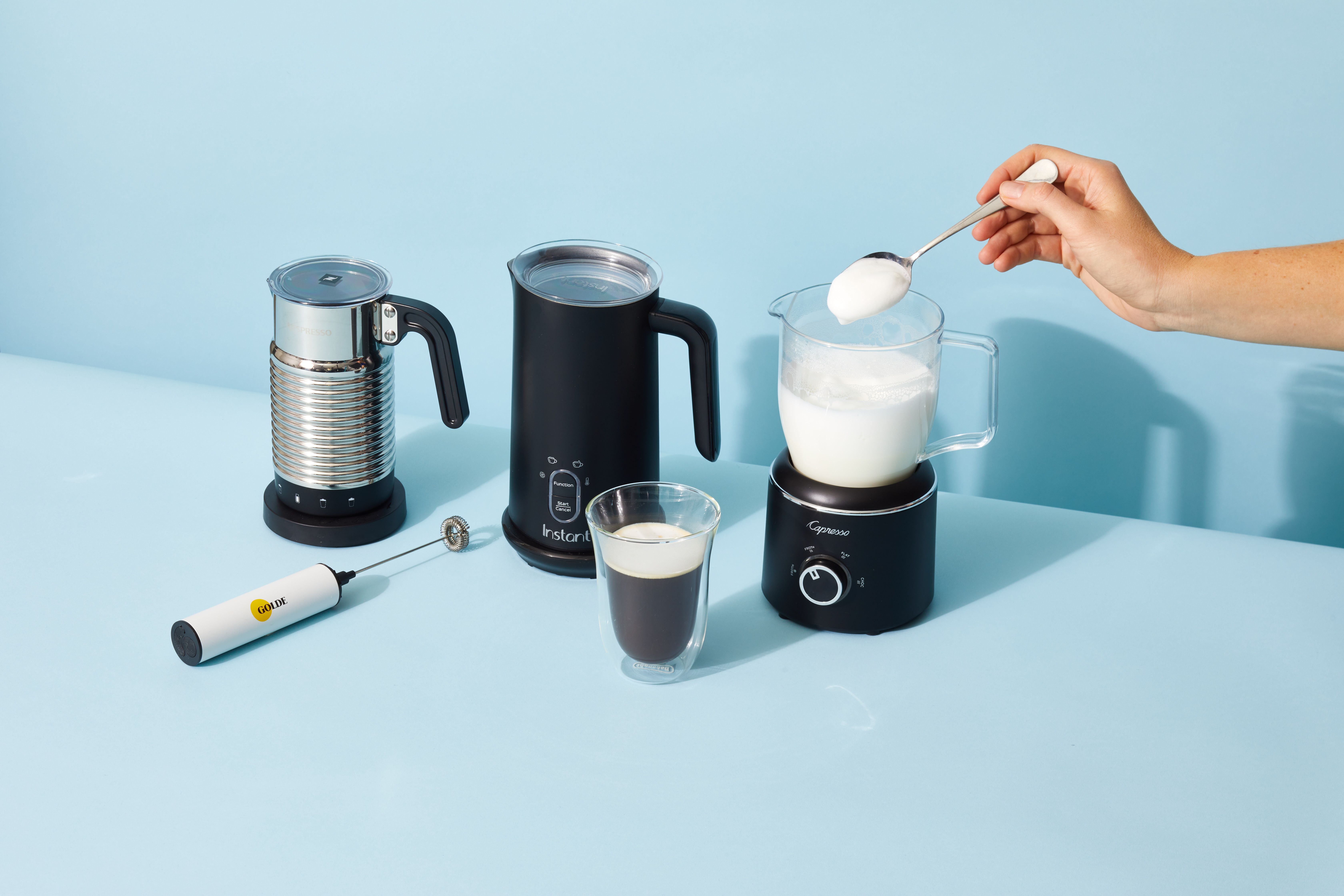
Before you jump into action, take a deep breath and play detective. The type of break will determine your next steps. It’s not just “broken”; it’s a specific kind of broken.
- A Clean Crack: Is it a simple hairline fracture? The lid might still be structurally sound, but it could leak or harbor bacteria.
- A Chipped Edge: A small piece missing from the rim might not affect the frother’s function, but it could be a safety hazard with sharp edges.
- A Shattered Mess: If the lid is in multiple pieces, a simple repair is likely off the table. You’re now on a mission for a replacement part.
- A Broken Seal: Sometimes the plastic is fine, but the silicone or rubber gasket that creates the seal is torn. This is often the easiest fix of all.
Understanding exactly what you’re dealing with is the crucial first step. It’s the difference between a five-minute fix and a week of waiting for a new part to arrive in the mail.
Your Action Plan: What To Do If The Lid Is Broken
Okay, you’ve assessed the situation. Now it’s time to follow a clear, step-by-step process to get your frother back in business.
Step 1: Safety Above All Else
This might seem obvious, but in the heat of the moment, it’s easy to forget. Unplug your milk frother immediately. The last thing you want is an electrical issue compounding your broken lid problem. If there was milk in the frother when the incident happened, carefully clean it up, making sure no liquid gets into the base unit’s electronics.
Step 2: Contact the Manufacturer
This should always be your first port of call. Before you even think about super glue or third-party sellers, go straight to the source.
- Check Your Warranty: Is your frother still under warranty? A broken lid might be covered, especially if it seems like a manufacturing defect. Many brands like Nespresso, Breville, or Bodum have excellent customer service and may send you a replacement for free.
- Look for Spare Parts: Even if it’s out of warranty, the manufacturer’s official website is the best place to find a genuine replacement part. Search for your frother’s model number (usually found on the bottom of the base) in their “Parts” or “Accessories” section. This guarantees a perfect fit and food-safe materials.
Step 3: The Hunt for a Replacement Part
If the manufacturer can’t help—maybe the model is discontinued—don’t give up hope. The internet is a vast marketplace.
- Official Retailers: Check sites like Amazon, Williams Sonoma, or specialized coffee equipment websites. They often stock spare parts for popular models.
- Third-Party Marketplaces: Websites like eBay or eSpares can be a goldmine for hard-to-find parts. Just be sure to buy from a reputable seller and double-check that the part number matches your frother’s model.
- 3D Printing Communities: This is a more advanced option, but for tech-savvy coffee lovers, it’s a game-changer. You might find that someone has already designed and shared a 3D printable file for your specific frother lid.
A Word of Caution from an Expert
We spoke with James Carter, a certified coffee appliance technician with over 15 years of experience. He advises, “Be very careful with third-party or DIY solutions. A lid that doesn’t fit perfectly can cause hot milk to splash out, which is a serious burn risk. Always prioritize a genuine part if you can find one. Your safety is worth more than the cost of a new lid.”
Step 4: The DIY Repair Route (Proceed with Extreme Caution)
I’m generally hesitant to recommend this, but if you’re out of options and feeling handy, it’s a possibility. If you’re considering gluing the lid, you absolutely must use a food-safe, waterproof, and heat-resistant adhesive. Standard super glue is not designed for contact with food, especially hot liquids, and can leach harmful chemicals. Look for glues specifically rated as “food-grade” or “aquarium safe.” Even then, this should be considered a temporary fix while you search for a proper replacement.
When a Fix Isn’t an Option: Time for an Upgrade?
Sometimes, you have to accept defeat. If the model is ancient, the part is impossible to find, or the cost of a replacement lid is almost as much as a new machine, it might be time to invest in a new milk frother. This frustrating moment can actually be an opportunity to upgrade your coffee game.
|
Our Picks for the Best Milk Steamer in 2025
As an Amazon Associate, we earn from qualifying purchases.
|
||
| Num | Product | Action |
|---|---|---|
| 1 | Nespresso Aeroccino 3 Milk Frother, Black, Steel |

|
| 2 | Subminimal NanoFoamer Pro Gen-2 – Revolutionary Hands-Free Microfoam Milk Maker for Cafe-Quality Foam, Coffee Bar Accessories for Dairy & Plant-Based Milk, Perfect Coffee Gifts – US Plug Type |
|
| 3 | Dreo Milk Frother [Upgraded], All-in-1 Electric Foam Maker for Coffee, 15oz/450ml Automatic Foam Frother for Latte Art-level Microfoam, 30+ Drinks, Dishwasher Safe, Easy to Clean, LED display |
|
| 4 | Electric Milk Frother and Steamer, 16.9oz/500ml Milk Steamer and Frother for Latte, Dishwasher Safe, BPA Free, 4 Functions, Enjoy Perfect Milk Froth in 2 Min - White |
|
| 5 | SIMPLETASTE Milk Frother, 4-in-1 Electric Milk Steamer, Automatic Warm and Cold Foam Maker and Milk Warmer for Latte, Cappuccinos, Macchiato |
|
| 6 | Milk Frother and Steamer, Large Capacity Detachable Electric Milk Frother, Automatic Warm and Cold Foam Maker, Hot Chocolate Maker, BPA Free, Black |
|
| 7 | Instant Pot Milk Frother, 4-in-1 Electric Milk Steamer, 10oz/295ml Automatic Hot and Cold Foam Maker and Milk Warmer for Latte, Cappuccinos, Macchiato, From the Makers of Instant 500W, Black |
|
| 8 | Milk Frother and Steamer, Large Capacity Detachable Electric Milk Frother, Automatic Warm and Cold Foam Maker, Stainless Steel Jug, BPA Free |
|
| 9 | SIMPLETASTE Milk Frother, 4-in-1 Electric Milk Steamer, Automatic Warm and Cold Foam Maker and Milk Warmer for Latte, Cappuccinos, Macchiato |
|
| 10 | Dreo Milk Frother [Upgraded], All-in-1 Electric Foam Maker for Coffee, 15oz/450ml Automatic Foam Frother for Latte Art-level Microfoam, 30+ Drinks, Dishwasher Safe, Easy to Clean, LED display |
|
Consider what you need in a new machine.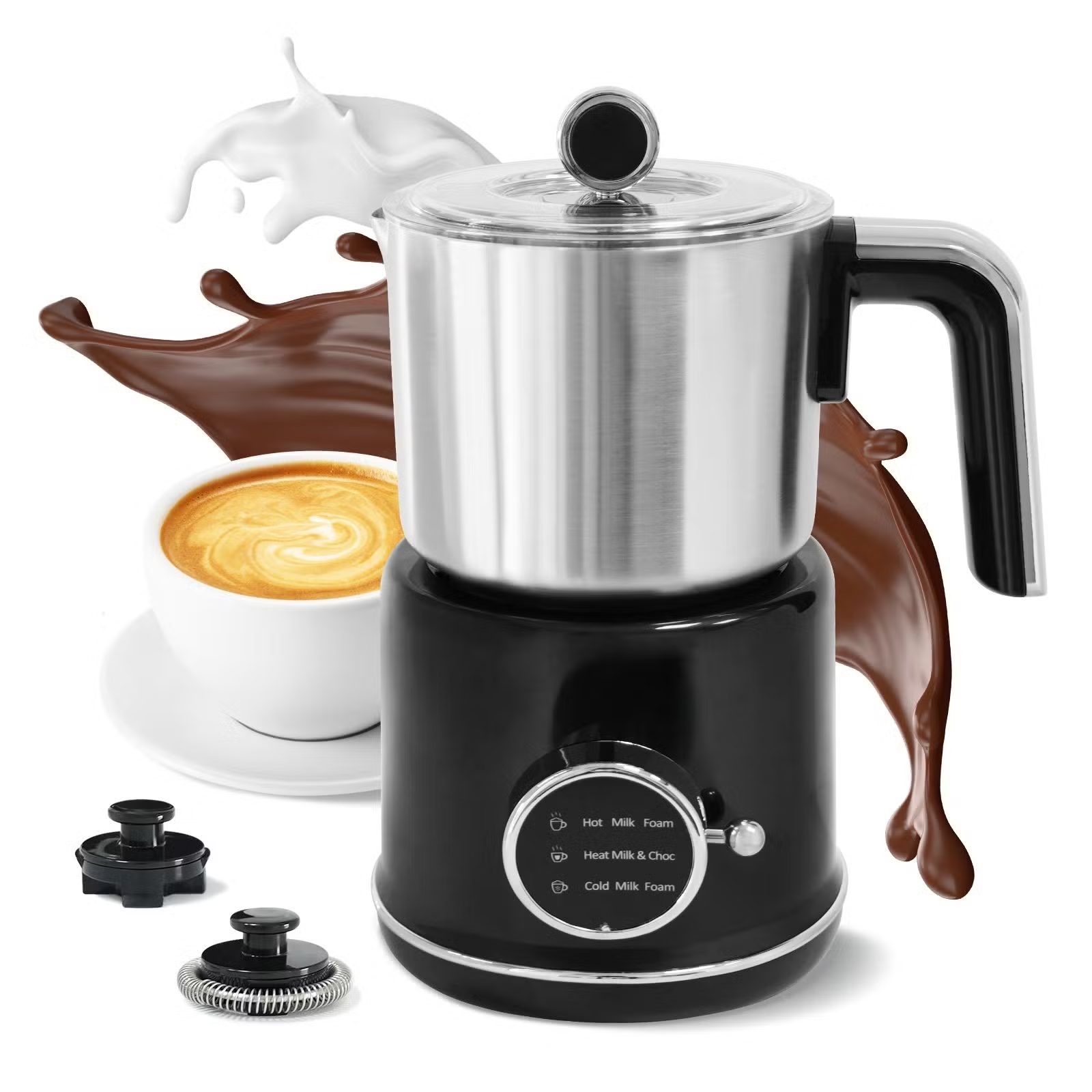
- Handheld Frothers: These are budget-friendly and easy to store. They don’t have lids that can break, but they require a bit more manual effort.
- Automatic Jug Frothers: These are the most common type and what you likely have. When buying a new one, look for brands known for durable construction and good availability of spare parts. Check reviews to see if others have had issues with the lid.
- Steam Wands: If you have an espresso machine, you already have the most powerful frother available. Perhaps it’s time to perfect your technique with the steam wand instead of relying on a separate device.
Prevention is the Best Medicine: How to Care for Your Frother Lid
Once you have your frother fixed or replaced, you’ll want to avoid a repeat performance. A little bit of care goes a long way.
- Hand Wash, Don’t Dishwash: Even if the lid is “dishwasher safe,” the high heat and harsh detergents can make plastic brittle over time. A gentle hand wash is always better.
- Mind the Drop: Most lids break from being dropped. Be mindful when washing it or setting it on the counter. Treat it like a piece of glass.
- Cool It Down: Don’t rinse a hot lid under cold water. The sudden temperature change (thermal shock) can cause micro-fractures in the plastic, weakening it over time.
- Store It Safely: Don’t just toss the lid in a crowded drawer where it can get knocked around. Store it on the frother itself or in a safe, designated spot.
Frequently Asked Questions (FAQ)
Q: Can I still use my milk frother if the lid is just cracked?
A: It’s not recommended. A crack can compromise the seal, leading to inefficient frothing and potential leaks. More importantly, it can harbor bacteria that are difficult to clean, posing a health risk.
Q: Is it safe to superglue a milk frother lid?
A: No, standard super glue is not food-safe and can release toxic chemicals into your milk when heated. Only use an adhesive specifically labeled as “food-grade,” waterproof, and heat-resistant, and even then, consider it a temporary solution.
Q: Where can I find the model number of my milk frother?
A: Typically, the model number is printed on a sticker or engraved on the bottom of the frother’s base unit. It’s essential for finding the correct replacement part.
Q: Are milk frother lids universal?
A: Unfortunately, no. Lids are designed to fit specific models and brands precisely. Using a lid from a different model will likely result in a poor seal, leaks, and improper function.
Q: How much does a replacement milk frother lid cost?
A: The cost can vary widely, from as little as $5 to over $20, depending on the brand and model. Always compare the price of the lid to the price of a brand new frother to see what makes the most financial sense.
Discovering a broken piece of your coffee gear is always a downer. But now, you have a complete toolkit of solutions. Whether it’s a simple search for a spare part or a full-blown upgrade, you know exactly what to do if the lid is broken. You’re one step closer to getting back to what really matters: enjoying that perfectly creamy, frothy, café-quality beverage right in your own home.