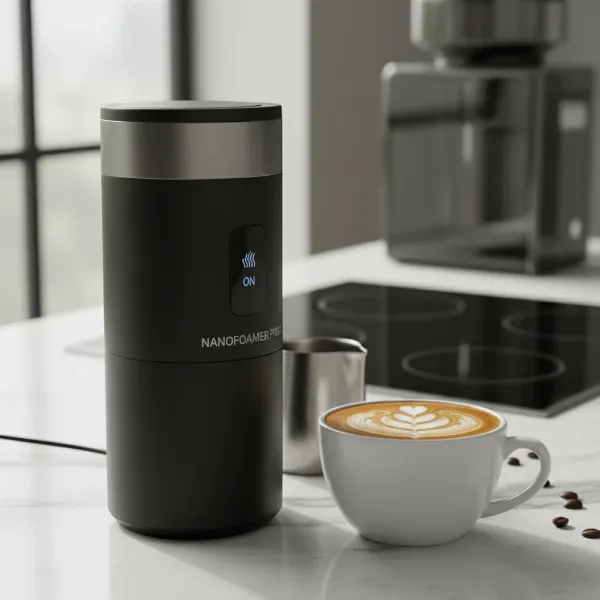
There’s a special kind of comfort found in a warm, fragrant mug, especially when it’s graced with creamy, frothed milk. The London Fog tea latte, a beloved café classic, offers just that – a harmonious blend of bold Earl Grey tea, sweet vanilla, and luxuriously steamed milk. If you’ve ever dreamt of recreating this sophisticated beverage at home, complete with that velvety microfoam only a steamer can provide, you’re in the right place. We’ll guide you through the process, transforming your kitchen into your personal artisanal tea bar.
 A warm London Fog tea latte in a mug with frothy milk, Earl Grey, and vanilla.
What is a London Fog Tea Latte?
At its heart, a London Fog is an Earl Grey tea latte. It combines freshly brewed Earl Grey tea, known for its distinctive bergamot orange aroma, with steamed milk and a touch of vanilla syrup or extract. This elegant concoction offers a balance of floral, citrusy, and creamy notes, making it a soothing alternative to coffee or a delightful afternoon treat. While a staple on many coffee shop menus, crafting this beverage at home allows for complete customization of sweetness, tea strength, and milk texture, all while saving you a trip to the café.
The Essential Ingredients for a Perfect London Fog
Creating an exceptional London Fog starts with selecting quality ingredients. Each component plays a vital role in the final flavor and texture.
Earl Grey Tea
The foundation of your London Fog is the tea itself.
- Type: High-quality Earl Grey tea is paramount. You can use either loose leaf tea or tea bags. Loose leaf often offers a more robust and nuanced flavor profile, but good quality tea bags work perfectly well for convenience.
- Strength: To ensure the tea flavor isn’t overpowered by the milk and vanilla, many find that a slightly stronger brew is ideal. Consider using two tea bags or a slightly larger portion of loose leaf tea than usual for a single serving.
|
Our Picks for the Best Milk steamer in 2026
As an Amazon Associate I earn from qualifying purchases.
|
||
| Num | Product | Action |
|---|---|---|
| 1 | HAUSHOF Milk Frother, 4-in-1 Electric Milk Frother and Steamer, Large Capacity, Hot Chocolate Maker, Automatic Warm and Cold Foam Maker for Coffee, Latte, Macchiato, Cappuccino |

|
| 2 | SIMPLETASTE Milk Frother, 4-in-1 Electric Milk Steamer, Automatic Warm and Cold Foam Maker and Milk Warmer for Latte, Cappuccinos, Macchiato |
|
| 3 | SIMPLETASTE Milk Frother, 4-in-1 Electric Milk Steamer, Automatic Warm and Cold Foam Maker and Milk Warmer for Latte, Cappuccinos, Macchiato |
|
| 4 | Milk Frother and Steamer, Large Capacity & Detachable Electric Milk Frother, Automatic Warm and Cold Foam Maker, Hot Chocolate Maker, Stainless Steel Jug, 30.44Oz./900ML |
|
| 5 | Milk Frother, 4-in-1 Milk Frother and Steamer, 10.6oz Electric Milk Steamer, Automatic Cold and Hot Foam maker for Lattes, Cappuccinos, Ceramic Lining Interior (Polished) |
|
| 6 | Milk Frother, 4-in-1 Electric Milk Steamer, 350ml/11.8oz Automatic Frother Machine for Coffee, Warm and Cold Foam, Temperature Control for Latte, Cappuccino, Hot Chocolate |
|
| 7 | Electric Milk Frother and Steamer, 16.9oz/500ml Milk Steamer and Frother for Latte, Dishwasher Safe, BPA Free, 4 Functions, Enjoy Perfect Milk Froth in 2 Min |
|
| 8 | SIMPLETASTE Milk Frother, 4-in-1 Electric Milk Frother and Steamer, Automatic Warm and Cold Foam Maker and Milk Warmer for Latte, Cappuccinos, Dark Blue |
|
| 9 | Large Electric Milk Frother and Steamer, 16.9oz/500ml Milk Steamer and Frother for Latte or Hot Chocolate, Dishwasher Safe, 6 Functions, Enjoy Perfect Milk Froth in 2 Min (White-Glass) |
|
| 10 | Milk Frother, Paris Rhône 4-in-1 Milk Steamer and Frother, Hot & Cold Foam Milk Warmer with Temperature Control, Auto Shut-Off Frothers for Coffee, Latte, Cappuccino, Macchiato |
|
Milk
The milk is what gives your London Fog its creamy body and the delightful frothy top.
- Dairy Options: Whole milk creates the creamiest, richest latte and generally froths exceptionally well. 2% milk also produces good foam and a slightly lighter texture. Skim milk will yield the lightest foam, though it might lack some of the latte’s characteristic richness.
- Non-Dairy Alternatives: For those avoiding dairy, oat milk is widely considered the best non-dairy option for frothing, producing a surprisingly creamy and stable foam. Almond milk can also work, though it may result in a thinner foam; some find adding a tiny bit of melted coconut oil before steaming can improve its frothing ability.
- Temperature: Always start with cold milk. Cold milk allows for a longer “stretching” phase during steaming, giving you more time to incorporate air and create fine, stable microfoam.
Vanilla Syrup or Extract
Vanilla is the sweet, aromatic counterpoint to the Earl Grey.
- Syrup: Vanilla syrup is the most common choice, adding both sweetness and flavor. Start with 1 to 2 tablespoons, adjusting to your preference.
- Extract: If using vanilla extract, a half teaspoon to a full teaspoon can impart a lovely vanilla essence without adding extra sugar, allowing you to control sweetness with a separate sweetener like honey or maple syrup.
- Variations: For a unique twist, consider honey for a more natural sweetness, or even a touch of lavender syrup to enhance the floral notes of the Earl Grey.
Water
Use filtered water for brewing your tea. The quality of your water can subtly affect the taste of your tea, so fresh, good-tasting water is always recommended.
Your Steamer: The Heart of a Velvety London Fog
The “steamer” is key to achieving that authentic café-quality London Fog. It transforms cold milk into a warm, creamy, and bubbly cloud.
Types of Milk Steamers and Frothers
- Espresso Machine Steam Wand: This is the gold standard for milk steaming, found on most espresso machines. It uses high-pressure steam to simultaneously heat and texturize milk, creating smooth, silky microfoam perfect for lattes.
- Pros: Superior microfoam, precise control over texture and temperature, robust.
- Cons: Requires practice and technique, typically part of a larger espresso machine investment.
- Automatic Milk Frother: These standalone devices are incredibly user-friendly. You simply pour in the milk, press a button, and the machine heats and froths the milk for you, often offering various settings for different foam textures (latte vs. cappuccino).
- Pros: Easy to use, consistent results, often heats and froths simultaneously, great for beginners.
- Cons: Less control over microfoam texture than a steam wand, can be slower.
- Handheld Milk Frother: While not a “steamer” in the traditional sense, these battery-operated wands can create a light foam by whisking heated milk. If you don’t have a dedicated steamer, this can be a quick alternative, though the texture won’t be as fine or creamy as steamed milk.
- Pros: Inexpensive, compact, portable.
- Cons: Only froths, doesn’t heat, foam is usually airier and less integrated.
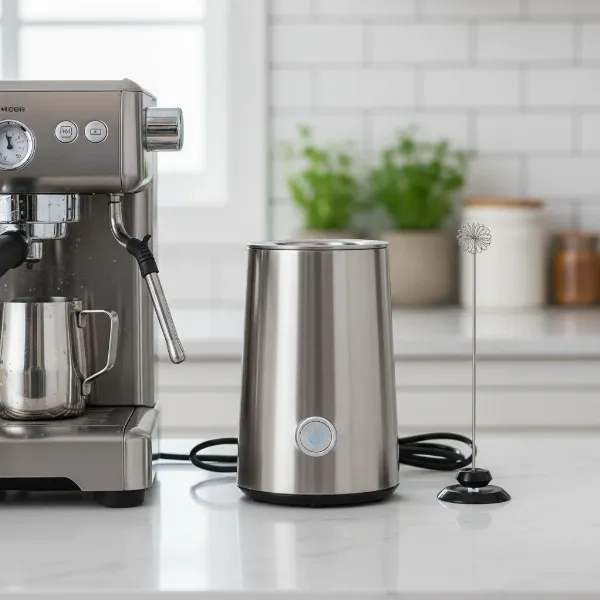 Various milk frothers including an espresso machine wand, automatic frother, and handheld whisk.
Why Use a Steamer for Your London Fog?
A proper milk steamer heats the milk to the ideal temperature while incorporating tiny air bubbles, creating “microfoam.” This fine, velvety foam integrates seamlessly with the tea, giving the London Fog its signature smooth, luscious mouthfeel that a simple heated milk and whisked foam cannot replicate. The consistent temperature also ensures a perfectly warm, comforting drink from the first sip to the last.
Step-by-Step Guide: Crafting Your London Fog
Let’s get brewing! Here’s how to bring all the elements together for your perfect London Fog.
-
Brew Your Earl Grey
- Boil approximately 8 ounces (about 1 cup) of fresh, filtered water.
- Place 1-2 Earl Grey tea bags (or your preferred amount of loose leaf tea in an infuser) into a heat-proof mug.
- Pour the boiling water over the tea.
- Steep for 5-7 minutes. For a robust flavor that can stand up to the milk, a longer steep is beneficial, but be careful not to over-steep, as this can make the tea bitter.
- Remove the tea bags or infuser.
-
Prepare Your Milk for Steaming
- Measure out about 6-8 ounces (¾ to 1 cup) of cold milk into your steaming pitcher (for an espresso machine wand) or automatic frother.
- If you prefer to integrate the vanilla flavor directly into the milk, add your vanilla syrup or extract to the cold milk now. This helps disperse the flavor evenly.
-
Steam the Milk to Perfection
- Using an Espresso Machine Steam Wand:
- Purge: Always open the steam wand for a second to clear any condensed water.
- Position: Submerge the tip of the wand just below the surface of the milk.
- Stretch: Open the steam valve fully. You should hear a gentle “tearing paper” sound as air is incorporated. Keep the tip just below the surface for about 5-10 seconds, allowing the milk to expand and create foam.
- Texture: Lower the pitcher slightly to submerge the wand tip deeper into the milk. This creates a “whirlpool” effect, integrating the foam and heating the milk evenly. Aim for a temperature between 140-150°F (60-65°C). The pitcher will become too hot to hold comfortably.
- Swirl: Once heated, close the steam valve. Remove the pitcher and gently tap it on the counter to remove any large bubbles. Swirl the milk vigorously to create a uniform, glossy microfoam.
- Clean: Immediately wipe the steam wand clean with a damp cloth and purge it again to prevent milk from drying inside.
- Using an Automatic Milk Frother:
- Pour the measured cold milk (with vanilla if adding it now) into the frother.
- Select your desired setting (usually “latte” for finer foam, or simply the default if there’s only one option).
- Press start and let the machine do its work. It will typically heat and froth the milk to the ideal temperature and consistency automatically.
- Using an Espresso Machine Steam Wand:
-
Assemble Your Latte
- To your freshly brewed Earl Grey tea, add any additional sweetener (if not already added with vanilla to the milk). Stir well.
- Gently pour the steamed milk into the mug, allowing it to mix with the tea.
- As you finish pouring, use a spoon to hold back the thicker foam, then spoon the remaining velvety microfoam on top for a beautiful finish.
Tips for an Unforgettable London Fog
Elevate your homemade London Fog with these expert tips:
- Start with Cold Milk: This can’t be stressed enough! Colder milk allows for better air incorporation and a finer microfoam.
- Don’t Over-Steep: While a strong tea is desired, steeping Earl Grey for too long (beyond 7 minutes) can release tannins that result in a bitter taste.
- Experiment with Milks: Each type of milk offers a unique texture and flavor profile. Don’t be afraid to try whole milk, 2%, or various non-dairy options like oat milk to find your personal favorite.
- Sweeteners to Taste: The beauty of homemade is customization. Adjust the amount of vanilla syrup, honey, or other sweeteners to perfectly suit your palate.
- Clean Your Steamer Promptly: For optimal performance and hygiene, always wipe down and purge your espresso machine’s steam wand immediately after use. Similarly, rinse out automatic frothers right away.
Common London Fog Latte Challenges and Solutions
Even seasoned baristas encounter issues from time to time. Here’s how to troubleshoot common London Fog problems:
- Flat, Lifeless Foam: If your foam isn’t as rich and velvety as you’d like, consider these points:
- Milk Temperature: Was your milk cold to begin with? Warm milk won’t froth as well.
- Milk Type: Skim milk generally produces more airy, less stable foam. Try 2% or whole milk for better results.
- Steaming Technique (Steam Wand): Ensure the wand tip is just at the surface during the “stretching” phase to incorporate enough air, then submerged for the “texturing” phase. Don’t overheat the milk (above 150°F / 65°C) as this can “cook” the proteins and cause the foam to collapse.
- Bitter Tea: This is almost always a sign of over-steeping. Reduce your steeping time slightly, or ensure you’re using fresh tea bags or loose leaf.
- Tea Separating from Milk: This can happen if the milk is too hot or if it’s poured too aggressively. Ensure your milk is at the ideal temperature (140-150°F) and pour slowly and gently to allow it to integrate smoothly with the tea.
“For the perfect London Fog, mastering the milk is key. Aim for that ‘wet paint’ consistency in your microfoam—it’s the secret to a truly luxurious latte.” – Anna Lee, Head Barista at The Daily Grind
Conclusion
Creating a London Fog tea latte with your steamer is a rewarding experience that transforms a simple cup of tea into a café-worthy indulgence. By focusing on quality ingredients, understanding the role of your steamer, and following a few key steps, you can consistently achieve a perfectly brewed tea, velvety steamed milk, and a harmonious balance of flavors. So, go ahead, experiment with your tea, dial in your vanilla, and perfect your steaming technique. Before you know it, you’ll be enjoying your exquisite homemade London Fog, one comforting sip at a time. What unique twist will you add to your next London Fog creation?
Frequently Asked Questions
What’s the best milk for a London Fog?
Whole milk and 2% milk are generally recommended for the best frothing results and a rich, creamy texture. For dairy-free options, oat milk is an excellent choice as it froths well and offers a pleasant, slightly sweet flavor that complements Earl Grey tea. Starting with cold milk is crucial for optimal foam production.
Can I make a London Fog without an espresso machine?
Absolutely! While an espresso machine steam wand offers the best microfoam, an automatic milk frother is an excellent and easy-to-use alternative that will both heat and froth your milk beautifully. You can also use a handheld frother wand with pre-heated milk, though the foam will be airier.
How much vanilla syrup should I use?
A good starting point is 1 to 2 tablespoons of vanilla syrup per 8-ounce London Fog, or 1/2 to 1 teaspoon of vanilla extract if you prefer to control the sweetness separately. Adjust this amount based on your personal preference for sweetness and vanilla intensity.