Do you cherish that perfect, velvety microfoam in your homemade lattes and cappuccinos? Your milk frother is an essential tool in achieving café-quality beverages, but without proper care, its performance can quickly diminish. Just like any valued kitchen appliance, how you store your milk frother significantly impacts its longevity and ability to deliver consistent results. Ignoring proper storage can lead to an array of issues, from bacterial growth and unpleasant odors to physical damage and reduced efficiency. This article will guide you through the essential steps and best practices for storing your milk frother, ensuring it remains in pristine condition for years to come.
Why Proper Milk Frother Storage Matters for Longevity
Storing your milk frother correctly is more than just tidiness; it’s a critical step in preserving its functionality and extending its life. Neglecting proper storage can lead to various problems, including the growth of mold and bacteria, which not only poses a hygiene risk but can also impact the taste of your drinks. Furthermore, improper storage can result in physical damage such as scratches, dents, or broken delicate parts, especially for handheld models. For electric frothers, moisture can infiltrate electronic components, leading to malfunction. By understanding the importance of mindful storage, you ensure your frother consistently produces that desired silky-smooth foam, saving you money on premature replacements.
Essential Pre-Storage Steps: Cleanliness and Dryness Are Key
Before putting your frother away, thorough cleaning and complete drying are non-negotiable. These steps are the first line of defense against damage and performance issues.
- Thorough Cleaning After Each Use: Immediately after each use, disassemble any removable parts of your frother, such as whisks and lids. Rinse them under warm running water to remove fresh milk residue. For a deeper clean, wash all milk-contact surfaces with warm, soapy water and a soft cloth or sponge. For steam wands, purge steam before and after use, and wipe down the wand immediately with a damp cloth to prevent milk from drying and clogging.
- Complete Drying: Moisture is the enemy of longevity for any kitchen appliance. After washing, ensure all parts are completely dry before storing. You can wipe them down with a clean, lint-free cloth and then allow them to air dry in an upright position for several hours. This prevents unpleasant odors, mold growth, and potential damage to electronic components or non-stick coatings.
- Disassembly (if applicable): For many frothers, disassembling parts like whisks and lids allows for more thorough cleaning and ensures that hard-to-reach areas are properly dried, preventing hidden moisture buildup.
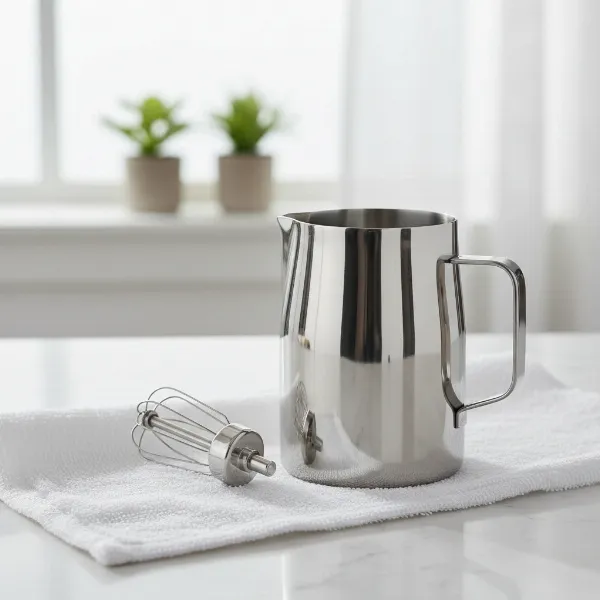 A clean milk frother whisk and carafe, thoroughly dried after use, ready for storage.
Choosing the Right Storage Environment
The environment where you store your milk frother plays a significant role in its long-term health.
- Clean, Dry, and Cool Place: Always store your milk frother in a clean, dry, and cool location. Avoid humid environments, such as directly above a frequently used stovetop or near a dishwasher, where steam and moisture can accumulate. Direct sunlight can also degrade plastic components over time, so a shaded spot in a pantry or cupboard is ideal.
- Stable Surface: Choose a stable, flat surface where your frother won’t be easily knocked over. Accidental falls are a common cause of physical damage, especially for freestanding electric models.
- Dedicated Storage: If your coffee machine or frother comes with a dedicated storage compartment, always utilize it. These are designed to safely house the frother and its components, protecting them from external factors.
Protecting Your Frother from Physical Damage
Even in an ideal environment, physical impacts can harm your frother. Proactive protection is crucial.
- Soft-Lined Containers or Drawer Organizers: If you don’t have dedicated storage, consider placing smaller frothers, like handheld wands, in a soft-lined container or a drawer organizer. This prevents scratches from other utensils and keeps delicate parts, such as the whisk, from bending or breaking.
- Avoiding Clutter: Store your frother away from crowded areas in your kitchen drawers or countertops. Accidental bumps from other appliances or dishes can cause unnecessary wear and tear.
- Specific Tips for Handheld Frothers: The whisk on handheld frothers is often delicate. Some models have magnetic whisks that can be attached to the side of a stainless steel appliance (like a refrigerator) during drying or temporary storage to keep them safe and out of the way. Always ensure the whisk is secure and won’t fall.
- Protecting Non-Stick Coatings: For frothers with non-stick interiors, avoid storing them with metal utensils that could scratch the delicate surface. Damage to non-stick coatings can impair frothing performance and make cleaning more difficult.
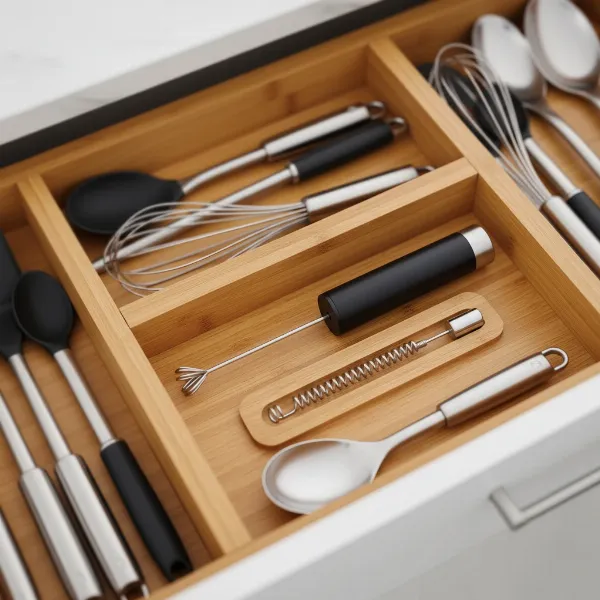 A handheld milk frother stored securely in a kitchen drawer organizer, protected from damage.
Types of Milk Frothers and Their Storage Nuances
Different frother types have slight variations in their storage best practices.
- Handheld Frothers: After ensuring the whisk is completely dry, you can store the wand upright in a utensil holder or lay it flat in a dedicated drawer. If battery-operated, consider removing batteries during extended periods of non-use to prevent potential leakage, though this is less common with modern frothers.
- Automatic Electric Frothers: These often come with a base unit and a carafe. Store the whisk and lid with the carafe, ideally within the unit itself if there’s space, or in an adjacent drawer. Keep the base unit on a clear section of the counter, away from moisture and direct heat, to allow for proper ventilation.
- Steam Wands: As part of an espresso machine, steam wands are not stored separately. Proper “storage” for these involves immediate and thorough post-use cleaning, including purging and wiping down the wand, and ensuring the nozzle holes are clear to prevent dried milk buildup and corrosion.
Advanced Maintenance for Long-Term Damage Prevention
Beyond daily cleaning and smart storage, periodic maintenance rituals further safeguard your frother.
- Regular Descaling: For electric frothers that heat milk, mineral deposits (scale) will accumulate over time. Descale your frother every few months using a descaling solution or a diluted vinegar solution (e.g., 1 part white vinegar to 3 parts water). This prevents internal corrosion and maintains heating efficiency.
- Lubricating Seals: If your frother has removable seals or gaskets, inspect them regularly for wear. Applying a tiny amount of food-grade silicone spray every few months can keep them flexible and prevent tearing, ensuring a tight seal and proper operation.
- Inspecting for Wear and Tear: Periodically examine all components, including tubing (for steam wands), connections, and moving parts, for any signs of damage or deterioration. Addressing minor issues early can prevent them from becoming major problems.
Quick Storage Tips by Frother Type
| Feature | Handheld Frother | Automatic Electric Frother | Steam Wand (Espresso Machine) |
|---|---|---|---|
| Pre-Storage Must | Complete Drying of Whisk | Complete Drying of All Parts | Immediate Purge & Wipe Down |
| Ideal Location | Utensil drawer/holder | Countertop (dedicated spot) | Attached to Espresso Machine |
| Physical Protection | Soft-lined drawer, secure whisk | Keep whisk/lid with carafe | Clear nozzle, inspect tubing |
| Environment | Cool, dry, clutter-free | Cool, dry, ventilated | Clean, dry machine area |
| Long-Term Care | Battery check | Regular descaling | Descaling machine, seal lube |
Troubleshooting Common Storage-Related Issues
Even with the best intentions, issues can arise.
- Persistent Odors or Mold: If your frother develops an unpleasant smell or mold, it’s almost always due to incomplete drying or missed milk residue. Perform a deep clean with warm soapy water and a vinegar solution. Ensure all crevices are spotless and then allow for extended air drying.
- Scratches or Dents: These typically result from storing the frother in a cluttered drawer or an unstable location. Re-evaluate your storage space and consider protective measures like drawer organizers or dedicated shelves.
- Reduced Performance After Storage: If your frother isn’t performing as well after being stored, check for correct reassembly, especially the whisk. Misaligned parts can hinder frothing. Also, ensure no hidden residue is blocking mechanisms.
“A milk frother, much like a fine coffee bean, requires the right environment to thrive. Treat it with care before and after use, and it will reward you with exceptional froth every time.” – Lâm Nguyễn, Barista & Coffee Equipment Specialist
Conclusion
Storing your milk frother properly is a simple yet impactful way to safeguard your investment and ensure it consistently delivers perfectly frothed milk. From ensuring meticulous cleaning and complete drying after every use to selecting a cool, dry, and protected storage location, each step contributes to preventing damage and extending its operational lifespan. Embrace these habits, and your frother will remain a reliable companion in your quest for café-quality beverages at home. What’s your secret to keeping your frother in top-notch condition?
Frequently Asked Questions
Which type of frother is easiest to store?
|
Our Picks for the Best Milk steamer in 2026
As an Amazon Associate I earn from qualifying purchases.
|
||
| Num | Product | Action |
|---|---|---|
| 1 | SIMPLETASTE Milk Frother, 4-in-1 Electric Milk Steamer, Automatic Warm and Cold Foam Maker and Milk Warmer for Latte, Cappuccinos, Macchiato |

|
| 2 | Electric Milk Frother and Steamer, 16.9oz/500ml Milk Steamer and Frother for Latte, Dishwasher Safe, BPA Free, 4 Functions, Enjoy Perfect Milk Froth in 2 Min |
|
| 3 | Milk Frother, Paris Rhône 4-in-1 Milk Steamer and Frother, Hot & Cold Foam Milk Warmer with Temperature Control, Auto Shut-Off Frothers for Coffee, Latte, Cappuccino, Macchiato |
|
| 4 | Milk Frother, 4-in-1 Milk Frother and Steamer, 10.6oz Electric Milk Steamer, Automatic Cold and Hot Foam maker for Lattes, Cappuccinos, Ceramic Lining Interior (Polished) |
|
| 5 | SIMPLETASTE Milk Frother, 4-in-1 Electric Milk Steamer, Automatic Warm and Cold Foam Maker and Milk Warmer for Latte, Cappuccinos, Macchiato |
|
| 6 | HAUSHOF Milk Frother, 4-in-1 Electric Milk Frother and Steamer, Large Capacity, Hot Chocolate Maker, Automatic Warm and Cold Foam Maker for Coffee, Latte, Macchiato, Cappuccino |
|
| 7 | SIMPLETASTE Milk Frother, 4-in-1 Electric Milk Frother and Steamer, Automatic Warm and Cold Foam Maker and Milk Warmer for Latte, Cappuccinos, Dark Blue |
|
| 8 | Large Electric Milk Frother and Steamer, 16.9oz/500ml Milk Steamer and Frother for Latte or Hot Chocolate, Dishwasher Safe, 6 Functions, Enjoy Perfect Milk Froth in 2 Min (White-Glass) |
|
| 9 | Milk Frother, 4-in-1 Electric Milk Steamer, 350ml/11.8oz Automatic Frother Machine for Coffee, Warm and Cold Foam, Temperature Control for Latte, Cappuccino, Hot Chocolate |
|
| 10 | Milk Frother and Steamer, Large Capacity & Detachable Electric Milk Frother, Automatic Warm and Cold Foam Maker, Hot Chocolate Maker, Stainless Steel Jug, 30.44Oz./900ML |
|
Handheld frothers are generally the easiest to store due to their compact size. They can fit into utensil drawers or stand upright in a holder, making them suitable for small kitchens.
How often should I deep clean my frother before storing it?
A quick rinse should be done after every use. A deep clean, involving descaling for electric models, is recommended every 1-3 months, or immediately if you notice stubborn residue, odors, or reduced performance.
Can storing my frother in a cabinet cause damage?
Storing your frother in a cabinet is generally fine, provided the cabinet is clean, dry, and not excessively humid. Ensure it’s not placed where it can be easily knocked over or covered in dust, which could necessitate more frequent cleaning.
Is it safe to store a battery-operated frother with the batteries inside?
For short-term storage, keeping batteries in is usually acceptable. However, for extended periods of non-use (several months or more), it’s a good practice to remove the batteries to prevent potential leakage and corrosion that could damage the frother’s electronics.