There’s nothing quite like that sinking feeling. You’re all set for your morning masterpiece—a velvety cappuccino or a dreamy latte—you press the button on your milk frother, and… silence. No hum, no spin, just a disappointing stillness. Figuring out What To Do If The Motor Stops Working can feel like a major setback, but don’t toss your beloved gadget just yet. Often, the fix is surprisingly simple.
I’ve been there, staring at a lifeless frother on a Monday morning. It’s frustrating! But through years of testing, tinkering, and talking with fellow coffee lovers, I’ve learned that a dead motor isn’t always a death sentence. Let’s roll up our sleeves and walk through a step-by-step troubleshooting guide to bring your frother back to life.
First Things First: The Simple Checks
Before we dive into the deep end, let’s cover the basics. It sounds obvious, but you’d be surprised how often the simplest oversight is the culprit. Think of this as the “Is it plugged in?” phase of our investigation.
- Power Source: Is the frother securely plugged into the wall? Try a different outlet to rule out a faulty socket. If it’s on a power strip, make sure the strip itself is switched on and working.
- The Base Connection: For jug-style frothers, ensure the jug is seated correctly on the power base. Sometimes, a slight misalignment is all it takes to break the electrical connection. Lift it off and place it back on firmly.
- Safety Features: Many modern frothers have safety mechanisms. For example, some won’t start if the lid isn’t on securely or if the jug isn’t properly attached. Double-check that everything is clicked into place as it should be.
If you’ve checked these and are still met with silence, it’s time to dig a little deeper.
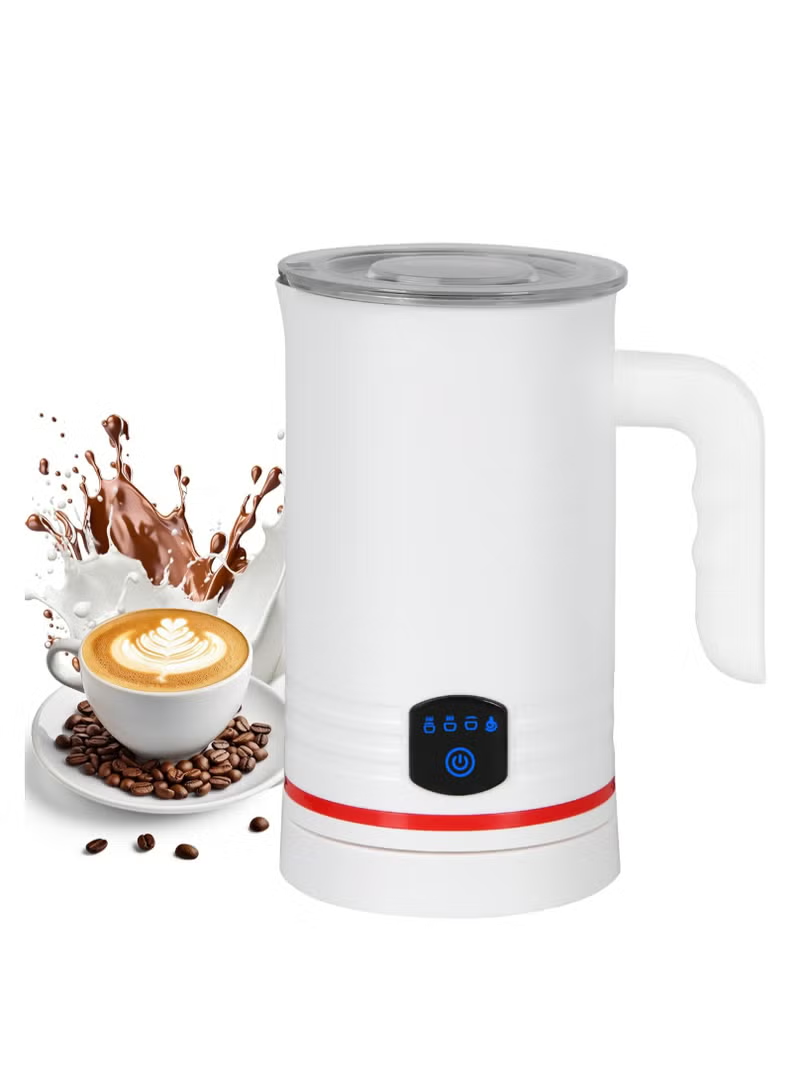
What to Do If the Motor Stops Working: A Deeper Dive
When the basic checks don’t solve the problem, we need to look at the most common reasons a motor might refuse to start. This is where we figure out what to do if the motor stops working for more specific reasons.
How Can I Tell If My Frother Has Overheated?
An overheated motor is one of the most frequent issues, especially if you’ve just made a few drinks back-to-back.
Most quality milk frothers have a built-in thermal safety switch. This is a great feature that prevents the motor from burning out. If you’ve used it consecutively, the unit might shut itself off to cool down. The solution? Patience.
- Unplug the frother from the wall.
- Let it sit and cool down for at least 15-20 minutes. Don’t try to rush it by putting it in the fridge!
- After it has cooled, plug it back in and try again. Nine times out of ten, it will spring back to life.
Could Something Be Jamming the Motor?
The motor’s job is to spin a small whisk at high speed. If that whisk is blocked, the motor can’t turn.
A common culprit is dried, hardened milk residue. Even a tiny, stuck-on piece can be enough to jam the magnetic spindle that the whisk attaches to.
- Remove the frothing whisk from the inside of the jug.
- Carefully inspect the small nub or post at the bottom of the frother where the whisk sits.
- Use a damp cloth or a soft brush (an old toothbrush works wonders) to gently scrub away any residue.
- Rinse thoroughly, dry it, re-attach the whisk, and give it another try.
|
Our Picks for the Best Milk Steamer in 2025
As an Amazon Associate, we earn from qualifying purchases.
|
||
| Num | Product | Action |
|---|---|---|
| 1 | Dreo Milk Frother [Upgraded], All-in-1 Electric Foam Maker for Coffee, 15oz/450ml Automatic Foam Frother for Latte Art-level Microfoam, 30+ Drinks, Dishwasher Safe, Easy to Clean, LED display |
![Check Dreo Milk Frother [Upgraded], All-in-1 Electric Foam Maker for Coffee, 15oz/450ml Automatic Foam Frother for Latte Art-level Microfoam, 30+ Drinks, Dishwasher Safe, Easy to Clean, LED display on Amazon](https://milksteamerfrother.com/wp-content/plugins/amazon-tables/image/buy.png)
|
| 2 | SIMPLETASTE Milk Frother, 4-in-1 Electric Milk Steamer, Automatic Warm and Cold Foam Maker and Milk Warmer for Latte, Cappuccinos, Macchiato |
|
| 3 | Milk Frother and Steamer, Large Capacity Detachable Electric Milk Frother, Automatic Warm and Cold Foam Maker, Stainless Steel Jug, BPA Free |
|
| 4 | Electric Milk Frother and Steamer, 16.9oz/500ml Milk Steamer and Frother for Latte, Dishwasher Safe, BPA Free, 4 Functions, Enjoy Perfect Milk Froth in 2 Min - White |
|
| 5 | Dreo Milk Frother [Upgraded], All-in-1 Electric Foam Maker for Coffee, 15oz/450ml Automatic Foam Frother for Latte Art-level Microfoam, 30+ Drinks, Dishwasher Safe, Easy to Clean, LED display |
|
| 6 | Nespresso Aeroccino 3 Milk Frother, Black, Steel |
|
| 7 | Milk Frother and Steamer, Large Capacity Detachable Electric Milk Frother, Automatic Warm and Cold Foam Maker, Hot Chocolate Maker, BPA Free, Black |
|
| 8 | Subminimal NanoFoamer Pro Gen-2 – Revolutionary Hands-Free Microfoam Milk Maker for Cafe-Quality Foam, Coffee Bar Accessories for Dairy & Plant-Based Milk, Perfect Coffee Gifts – US Plug Type |
|
| 9 | SIMPLETASTE Milk Frother, 4-in-1 Electric Milk Steamer, Automatic Warm and Cold Foam Maker and Milk Warmer for Latte, Cappuccinos, Macchiato |
|
| 10 | Instant Pot Milk Frother, 4-in-1 Electric Milk Steamer, 10oz/295ml Automatic Hot and Cold Foam Maker and Milk Warmer for Latte, Cappuccinos, Macchiato, From the Makers of Instant 500W, Black |
|
Have You Checked for Liquid Damage?
This is a big one. Milk frothers are designed to handle liquid inside the jug, not inside the base or motor housing.
If you’ve accidentally overfilled the frother or been a bit too enthusiastic while washing it, water or milk could have seeped into the electronics. Signs of this include a flickering light, a strange smell, or complete unresponsiveness.
“In my experience as an appliance technician, the number one killer of small kitchen gadgets like milk frothers is liquid damage to the base unit. People often rinse the entire device under the tap, not realizing the base is not waterproof. Always read the cleaning instructions carefully.” – Isabella Rossi, Certified Appliance Repair Specialist
If you suspect liquid damage, immediately unplug the unit. Unfortunately, this is often an issue that isn’t easily fixable at home and can be dangerous. Your best bet is to let it dry out completely for a couple of days and hope for the best, but be prepared that it may be time for a replacement.
When Is It Time to Contact Support or Consider a Replacement?
You’ve tried everything. You’ve checked the power, let it cool down, and scrubbed it clean, but the motor is still silent. Now what?
Check Your Warranty
Before you attempt any DIY surgery or head to the store, check your warranty. Most reputable brands offer at least a one-year warranty. If you’re within that period, contacting customer support is your best and safest option. Attempting to open the unit yourself will almost certainly void the warranty.
To Repair or Replace?
For most countertop milk frothers, the cost of a professional repair (if you can even find someone to do it) will often exceed the price of a new one. The motors and internal components are not typically designed to be user-serviceable. If your frother is out of warranty and the basic troubleshooting has failed, it’s likely time to start shopping for a new one. This can be a great opportunity to upgrade to a model with features you’ve been wanting, like temperature control or a larger capacity.
How to Prevent Your Frother’s Motor from Failing
The best way to fix a problem is to prevent it from happening in the first place. A little bit of care goes a long way in extending the life of your frother.
- Clean Immediately: Don’t let milk dry in the jug. As soon as you’ve poured your frothed milk, rinse the jug with warm water. This prevents buildup that can jam the whisk.
- Don’t Overfill: Pay close attention to the max-fill lines inside the frother. Overfilling is the leading cause of spills that can lead to liquid damage.
- Avoid Back-to-Back Use: If you need to make multiple drinks, give the frother a 2-3 minute break between cycles to prevent overheating.
- Hand-Wash Only (Usually): Unless your manual explicitly states that the jug is dishwasher-safe, always wash it by hand. Never, ever submerge the electrical base in water.
Frequently Asked Questions (FAQ)
Q: Why did my milk frother motor stop working suddenly?
A: The most common reasons for a sudden stop are the thermal safety switch engaging due to overheating, a jam caused by milk residue on the spinning mechanism, or a faulty power connection. Start by letting the unit cool down completely for 20 minutes.
Q: Can a milk frother motor be replaced?
A: Technically, yes, but for the vast majority of consumer models, it’s not practical or cost-effective. The units are typically sealed, and replacement parts are not readily available. Contacting the manufacturer under warranty is the best course of action.
Q: My frother’s light is on, but it’s not spinning. What’s wrong?
A: This is a classic sign of a jammed whisk. The unit has power, but the motor is physically blocked. Remove the whisk, thoroughly clean the inside of the jug and the small post it connects to, and then try again.
Q: How do I reset my milk frother?
A: Most frothers don’t have a dedicated “reset” button. The standard reset procedure is to unplug the device from the power outlet, let it sit for 15-20 minutes (especially if it feels warm), and then plug it back in. This allows the thermal protector to reset.
Q: Is it safe to use a frother that stopped and started working again?
A: Yes, if the issue was a simple overheat or a jam that you’ve cleared. If the frother stopped due to overheating, its safety feature worked as intended. If you suspect liquid damage or smell a burning odor, you should stop using it immediately.
Your Perfect Froth Awaits
Dealing with a silent appliance is a surefire way to disrupt your coffee ritual. But by following these troubleshooting steps, you’ll have a clear plan for what to do if the motor stops working. From simple power checks to deep cleaning and knowing when to call it a day, you’re now equipped to diagnose the problem like a pro. With a little care and attention, you can get back to what matters most: enjoying that perfectly frothed, cafe-quality beverage in the comfort of your own home.