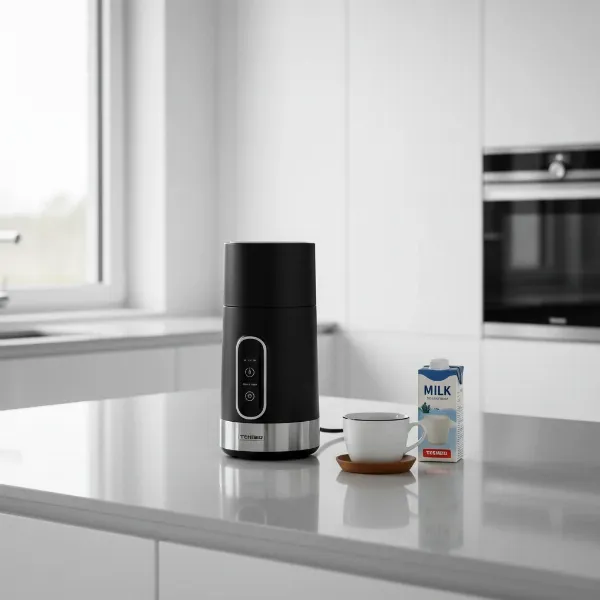
The pursuit of the perfect latte or cappuccino is a rewarding journey, a daily ritual for many, and a cornerstone of cafe culture. Yet, this art form, rich in aroma and flavor, inherently involves precision and the careful management of powerful elements: high-pressure steam and hot liquids. For both the home enthusiast and the seasoned professional, consistently handling hot steam and milk jugs demands strict adherence to safety. Without proper precautions, common tasks like frothing milk can lead to painful burns and scalds, turning a delightful experience into a regrettable incident. This comprehensive guide will equip you with essential safety tips and techniques, ensuring your coffee crafting remains a joyful and injury-free endeavor.
Understanding the Risks: Why Safety Matters with Steam and Hot Milk
Safety isn’t merely a guideline; it’s a fundamental principle when working with espresso machines. The primary hazards stem from the extreme temperatures involved. High-temperature steam, typically exceeding 200°F (93°C), can cause severe burns almost instantly upon contact, penetrating skin layers deeply and rapidly. Similarly, freshly frothed milk, often heated to between 140-160°F (60-71°C), is a scalding liquid that can cause significant injury if splashed onto skin. Beyond direct contact, unexpected steam release due to blockages or equipment malfunction poses additional dangers, highlighting the importance of understanding your machine.
Common injuries range from painful first-degree burns, characterized by redness and minor discomfort, to more severe second and third-degree burns involving blisters, skin damage, and even deeper tissue harm. These injuries often require immediate medical attention and can result in lasting scarring. Additionally, milk spills on the workspace can create dangerously slippery surfaces, leading to falls and other accidents. Recognizing these inherent risks is the first crucial step toward preventing them, establishing a foundation for mindful and safe operation.
Essential Gear and Workspace Prep for Steam Safety
Before engaging with the steam wand and milk jug, a proactive approach to safety involves both personal readiness and meticulous workspace preparation. Prioritizing these steps minimizes the chances of accidents and ensures you’re equipped to handle any unforeseen circumstances.
Personal Protective Equipment (PPE): While most home baristas might not don full PPE, understanding its importance is key. In commercial settings, some professionals opt for heat-resistant gloves, particularly when performing intensive cleaning or maintenance on hot components. For everyone, wearing closed-toe shoes is highly recommended, as they protect against hot liquid spills and dropped equipment.
Workspace Readiness: A clear, dry, and uncluttered work area is paramount. Any spilled milk or water should be wiped immediately to prevent slips and falls. Ensure that your setup allows for easy, unimpeded movement, especially when handling hot items. Crucially, know the location of your first aid kit and, specifically, how to treat a burn. Quick access to cool running water is your best immediate defense against scalds.
Equipment Inspection: Before every steaming session, take a moment to inspect your tools. Check the steam wand for any visible blockages or damage to the tip, as this can affect steam flow and potentially cause erratic bursts. Verify that your milk jug’s handle is securely attached and that the jug itself is clean and free of any imperfections that could compromise your grip. These simple checks can prevent many potential issues before they arise.
 A barista wearing safety gear, including gloves and closed-toe shoes, preparing an espresso machine.
Safe Handling of the Steam Wand: Before, During, and After Steaming
The steam wand is a powerful tool, and its safe operation requires a systematic approach, encompassing actions before, during, and immediately after use. Each step is critical for both optimal performance and, most importantly, your personal safety.
Before Steaming: Purging the Wand
|
Our Picks for the Best Milk steamer in 2026
As an Amazon Associate I earn from qualifying purchases.
|
||
| Num | Product | Action |
|---|---|---|
| 1 | Electric Milk Frother and Steamer, 16.9oz/500ml Milk Steamer and Frother for Latte, Dishwasher Safe, BPA Free, 4 Functions, Enjoy Perfect Milk Froth in 2 Min |

|
| 2 | SIMPLETASTE Milk Frother, 4-in-1 Electric Milk Steamer, Automatic Warm and Cold Foam Maker and Milk Warmer for Latte, Cappuccinos, Macchiato |
|
| 3 | Large Electric Milk Frother and Steamer, 16.9oz/500ml Milk Steamer and Frother for Latte or Hot Chocolate, Dishwasher Safe, 6 Functions, Enjoy Perfect Milk Froth in 2 Min (White-Glass) |
|
| 4 | Milk Frother, Paris Rhône 4-in-1 Milk Steamer and Frother, Hot & Cold Foam Milk Warmer with Temperature Control, Auto Shut-Off Frothers for Coffee, Latte, Cappuccino, Macchiato |
|
| 5 | SIMPLETASTE Milk Frother, 4-in-1 Electric Milk Frother and Steamer, Automatic Warm and Cold Foam Maker and Milk Warmer for Latte, Cappuccinos, Dark Blue |
|
| 6 | Milk Frother and Steamer, Large Capacity & Detachable Electric Milk Frother, Automatic Warm and Cold Foam Maker, Hot Chocolate Maker, Stainless Steel Jug, 30.44Oz./900ML |
|
| 7 | SIMPLETASTE Milk Frother, 4-in-1 Electric Milk Steamer, Automatic Warm and Cold Foam Maker and Milk Warmer for Latte, Cappuccinos, Macchiato |
|
| 8 | HAUSHOF Milk Frother, 4-in-1 Electric Milk Frother and Steamer, Large Capacity, Hot Chocolate Maker, Automatic Warm and Cold Foam Maker for Coffee, Latte, Macchiato, Cappuccino |
|
| 9 | Milk Frother, 4-in-1 Electric Milk Steamer, 350ml/11.8oz Automatic Frother Machine for Coffee, Warm and Cold Foam, Temperature Control for Latte, Cappuccino, Hot Chocolate |
|
| 10 | Milk Frother, 4-in-1 Milk Frother and Steamer, 10.6oz Electric Milk Steamer, Automatic Cold and Hot Foam maker for Lattes, Cappuccinos, Ceramic Lining Interior (Polished) |
|
Before you introduce the steam wand to milk, purging is a non-negotiable step. This brief activation of the steam valve serves a dual purpose: it clears any condensed water that has accumulated inside the wand, ensuring you get dry, powerful steam, and it also removes any residual milk or debris from previous use. To purge safely, simply direct the steam wand over the drip tray or into a designated purge container and open the steam valve fully for one to two seconds until only steam, not water, is expelled. Always keep your hands clear of the steam path during this process.
During Steaming: Technique for Control and Safety
Proper technique is your best defense against accidents while steaming milk.
- Grip and Positioning: Always hold the milk jug firmly by its handle, maintaining a steady, confident grip. Insert the steam wand tip just below the surface of the cold milk, angled slightly towards the side of the jug. This initial positioning is key for both aeration and control.
- Activating Steam: Turn on the steam valve fully and decisively. Hesitation can lead to inconsistent steam pressure and the potential for sputtering or splashing. A strong, consistent steam flow is easier to control than a weak, intermittent one.
- Maintaining Distance: Throughout the steaming process, keep your free hand and face well clear of the direct steam path and the hot metal of the wand. Use the jug handle to make fine adjustments to the wand’s position within the milk, rather than touching the hot wand itself.
- Monitoring Temperature: Overheating milk is not only detrimental to taste but also increases the risk of scalding. Aim for a final milk temperature between 140-160°F (60-71°C). Using a thermometer is the safest and most accurate method. If steaming by “feel,” remember that the jug will become too hot to hold comfortably around the target temperature, but never push it to the point of pain.
- Turning Off Steam: Crucially, shut off the steam completely before removing the wand from the milk. Removing the wand while steam is still active can cause hot milk to spray violently, leading to burns and a messy workspace.
After Steaming: Immediate Cleaning for Safety and Hygiene
The moments immediately following steaming are just as important for safety and hygiene.
- Wipe Immediately: As soon as the steam is off and the wand is out of the milk, use a dedicated, damp cloth to thoroughly wipe down the entire exterior of the steam wand. Milk residues burn onto the hot metal very quickly, becoming incredibly difficult to remove and creating a breeding ground for bacteria.
- Purge Again: After wiping, direct the wand back over the drip tray and briefly purge steam once more. This final purge clears any microscopic milk particles that may have been drawn up into the wand’s internal passage, preventing blockages and maintaining optimal performance for next time. This also ensures hygienic operation, especially important in commercial settings where cross-contamination between milk types must be avoided.
Mastering the Milk Jug: From Cold to Hot and Beyond
The milk jug is your primary interface with the hot milk, and handling it correctly is vital for preventing spills, splashes, and burns. Thoughtful consideration at each stage, from filling to pouring, contributes significantly to overall safety.
Filling the Jug Safely
The process begins with using fresh, cold milk, which yields the best frothing results and gives you more time to work before the milk overheats. Crucially, fill the jug to an appropriate level—typically between one-third and one-half full. This allows ample room for the milk to expand as it froths without overflowing, which can lead to hot spills. An overfilled jug is a significant hazard waiting to happen.
Handling Hot Jugs
Once the milk is steamed, the jug’s metal exterior becomes very hot. Always use the handle to manipulate the jug. If you find the handle itself or the jug body too hot to comfortably manage, consider using a dedicated bar towel or an insulated sleeve. When carrying the hot jug, move deliberately and stably, avoiding rushing or quick, jerky movements that could cause the hot liquid to slosh and spill. Maintain focus on the jug until it’s safely set down or the milk is poured.
Pouring with Care
The pouring stage is where precision meets potential peril. Maintain full control of the jug, pouring slowly and deliberately into your cup. Avoid sudden tilting or rapid movements, which can easily cause the hot, frothed milk to splash out, particularly if the cup is already full. A steady, controlled pour minimizes the risk of accidental contact with hot liquid.
Post-Pour Cleanup
After pouring, immediately rinse the milk jug with water. This prevents any remaining milk residue from drying and hardening, which not only makes cleaning more difficult but can also harbor bacteria. Furthermore, promptly clean up any milk or water spills from your workspace or the floor. Even small spills can create hazardous, slippery conditions, leading to unexpected falls. A clean station is a safe station.
 A barista carefully pouring frothed milk from a hot jug into a coffee cup, emphasizing safe handling techniques.
Troubleshooting and Emergency Preparedness
Even with the best practices, issues can arise. Knowing how to react safely and effectively is paramount.
Common Issues & Solutions
- Blocked Steam Wand: If your steam wand isn’t producing steam or seems partially blocked, never attempt to clear it while the machine is active or hot. First, turn off the espresso machine and allow the wand to cool completely. Once cool, use the provided cleaning tool (often a small pin or brush) to clear any obstructions in the tip. For stubborn blockages, unscrewing the tip and soaking it in a specialized descaling solution can help, followed by a thorough rinse and purge once reassembled.
- Splashing/Overflow: If the milk is splashing excessively or overflowing during steaming, it often indicates incorrect wand positioning or an overfilled jug. Adjust the wand depth to be just below the surface, or reduce the initial milk volume. Ensure the steam is turned on fully to create a strong vortex that draws air in smoothly rather than creating large, uncontrolled bubbles.
First Aid for Burns and Scalds
Immediate and appropriate first aid for burns and scalds can significantly reduce their severity.
- Cool the Burn: The most critical first step is to immediately run the affected area under cool (not cold or icy) running water for at least 20 minutes. This helps to cool the skin, stop the burning process, and reduce pain and swelling.
- Remove Restrictions: Gently remove any clothing or jewelry from the affected area, unless it is stuck to the skin.
- Cover Loosely: After cooling, cover the burn loosely with a sterile, non-fluffy dressing, such as cling film (plastic wrap) or a clean cloth. This protects the wound from infection without applying pressure.
- Seek Medical Attention: For any burn that causes blisters, covers a large area, or produces deep pain, seek immediate medical attention. Even seemingly minor scalds can be more severe than they appear, especially for children or the elderly.
Best Practices for a Lifetime of Safe Steaming
Cultivating safe habits ensures that your passion for coffee can be enjoyed without incident for years to come.
- Regular Maintenance and Cleaning: Adhere to manufacturer guidelines for cleaning and maintenance of your espresso machine and its components. A well-maintained machine is a safer machine.
- Ongoing Training and Practice: Continuously refine your techniques. Practice makes perfect, and with practice comes confidence and muscle memory, which are invaluable for safe operation.
- Never Operate When Distracted or Fatigued: Operating equipment that generates high-pressure steam requires your full attention. Avoid using the machine when you are tired, distracted, or under the influence of substances that impair judgment.
- Educate Others: If others in your household or workplace use the machine, ensure they are also aware of and follow these safety protocols. Safety is a shared responsibility.
Conclusion
The joy of crafting exceptional coffee is immeasurable, and by prioritizing safety, you ensure that this pleasure remains unmarred by accidents. From understanding the inherent risks of scalding hot liquids and high-pressure steam to adopting meticulous handling techniques for steam wands and milk jugs, every step contributes to a safer brewing environment. Consistent cleaning, proper equipment maintenance, and readiness for emergencies form the bedrock of responsible barista practices. By integrating these Safety Tips: Handling Hot Steam and Milk Jugs into your routine, you can master the art of milk frothing with confidence and peace of mind, protecting yourself and those around you. What is your most crucial safety rule in the coffee station?
Frequently Asked Questions
How hot does espresso machine steam get?
Espresso machine steam typically reaches temperatures exceeding 200°F (93°C). This high temperature is essential for quickly heating and texturing milk but poses a significant burn risk if it comes into direct contact with skin, emphasizing the need for careful handling.
What is the best way to clean a steam wand safely?
The safest way to clean a steam wand is to immediately wipe its exterior with a dedicated damp cloth after each use, then briefly purge steam over the drip tray to clear internal milk residue. For blocked wands, always turn off the machine and allow it to cool before using a cleaning tool.
Can I get a serious burn from frothing milk?
Yes, you can get a serious burn from frothing milk. Hot milk can cause painful scalds, often reaching temperatures between 140-160°F (60-71°C). Direct contact with steam can cause even more severe burns. Proper technique and immediate first aid are crucial for prevention and treatment.
How do I hold a milk jug safely when steaming?
Hold the milk jug firmly by its handle, keeping your hand away from the hot metal body and the direct steam path. Use your grip on the handle to precisely position the steam wand tip within the milk, maintaining control throughout the frothing process.
What should I do if I burn myself with steam or hot milk?
If you burn yourself, immediately run the affected area under cool (not cold or icy) running water for at least 20 minutes to cool the skin and stop the burning process. Gently remove any clothing or jewelry not stuck to the skin, then cover the burn loosely with a sterile dressing. Seek medical attention for severe burns, blistering, or large affected areas.