Let’s be real. That moment when your trusty milk frother decides to go on strike right before your first coffee of the day? It’s a tiny, but very real, tragedy. You’re dreaming of a velvety, cloud-like cappuccino, but instead, you’re left staring at a sad puddle of warm, bubble-less milk. Frustrating, right? Before you consider tossing it and resigning yourself to a life of flat lattes, take a deep breath. Learning How To Troubleshoot A Milk Frother is surprisingly simple, and most of the time, the fix is easier than you think.
We’ve all been there. As the go-to experts at Milk Steamer Frother, we’ve seen every issue under the sun. This guide is your personal barista-in-your-pocket, here to walk you through the common culprits and get you back to crafting beautiful, frothy beverages in no time.
The Ultimate Troubleshooting Checklist: Let’s Get That Froth Back
When your frother isn’t cooperating, it’s usually down to one of a few common issues. Let’s work through them step-by-step, starting with the most frequent problem of all.
Why Isn’t My Milk Frothing (or is it Bubbly and Sad)?
This is the number one complaint we hear. You’re doing everything you normally do, but the magic just isn’t happening. The cause is almost always related to one of these three things: the milk, the temperature, or the machine’s cleanliness.
This is a problem that can usually be fixed in minutes. The key is understanding that creating microfoam is a science; it relies on proteins and fats in the milk behaving in a very specific way, which is influenced by temperature and agitation.
- The Milk Itself: Not all milk is created equal in the world of frothing. The proteins are what create the foam structure, and the fat content contributes to the creamy texture.
- Freshness is Key: Milk that’s been open for a while or is close to its expiration date won’t froth well. Its protein structure has started to break down. Always use the freshest milk possible.
- Fat Content Matters: Whole milk is the undisputed king for rich, creamy foam. 2% milk is a great all-rounder. Skim milk can create a lot of stiff, airy foam, but it lacks that luxurious mouthfeel and can taste dry.
- Non-Dairy Milks: This is a whole different ball game. “Barista blend” oat, soy, or almond milks are specifically formulated with added proteins and emulsifiers to help them froth like dairy milk. Regular versions often fall flat.
- The Temperature: This is a non-negotiable rule of frothing. Always start with cold, fresh milk, straight from the fridge. Warm milk simply will not froth. The proteins need to be cold to unfold and trap air correctly. If you’re trying to re-froth milk that’s already been heated, you’re fighting a losing battle.
- The Frother’s Condition: Your frother whisk or steam wand needs to be sparkling clean. Even a tiny, invisible film of milk residue from yesterday’s latte can kill your foam. Milk fat coats the whisk and prevents it from aerating the new milk properly. We’ll cover cleaning in more detail later, but for now, give your whisk a thorough wash and try again.
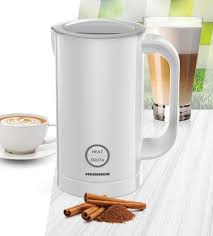
What if My Electric Frother Won’t Turn On or Heat Up?
You press the button, and… nothing. No light, no sound, no action. Before you panic, let’s check the basics. This is often a simple power or connection issue.
- Check the Power Source: Is the frother plugged into a working outlet? It sounds obvious, but you’d be surprised. Try plugging another appliance into the same socket to confirm it’s live.
- Secure the Base: Most electric frothers have a separate power base. Ensure the jug is seated correctly and firmly on the base. Sometimes a slight nudge is all it takes to complete the electrical connection.
- Look for the “Min/Max” Lines: Many frothers have a safety feature that prevents them from turning on if the milk level is below the “minimum” line or above the “maximum” line. Double-check your milk level.
- Auto-Shutoff/Overheating: If you just finished a cycle, the frother might be too hot to start another one immediately. Most have a thermal safety switch. Let it cool down for a few minutes before trying again.
Why is My Handheld Frother Weak or Slow?
A handheld frother that’s spinning like it’s wading through molasses is a common problem. Luckily, it’s also the easiest to fix.
- Batteries, Batteries, Batteries: 99% of the time, this is a battery issue. Don’t just assume they’re good; replace them with a fresh, brand-new pair. Weak batteries simply don’t have the juice to create the high-speed vortex needed for good foam.
- A Clogged Whisk: Check the coil at the end of the wand. Dried milk can get trapped in there, creating drag and slowing it down. A quick soak in hot, soapy water will usually dissolve any gunk.
Why is My Steam Wand Hissing but Not Frothing?
For those with an espresso machine, a misbehaving steam wand can be a real head-scratcher. If you hear a loud hissing or see big, ugly bubbles instead of a whirlpool of silky microfoam, the problem is likely one of two things: a clog or your technique.
First, check if the steam tip is blocked. The tiny holes can easily get clogged with hardened milk. Use the pin tool that came with your machine (or a paperclip in a pinch) to clear out each hole.
If it’s clean, it’s probably technique. Make sure you’re only submerging the very tip of the wand just below the surface of the milk to introduce air (this is the “stretching” phase). Once the volume has increased, dip the wand deeper to create a vortex that breaks down large bubbles into that coveted microfoam.
“I tell every new barista the same thing: a clean machine is a happy machine. The arch-nemesis of great foam is old milk residue. If you’re struggling, the first and best thing you can do is give your equipment a deep clean. It solves more problems than you can imagine.” – Isabella Rossi, Lead Barista & Coffee Consultant
A Stitch in Time: How to Properly Clean Your Frother
Preventing problems is always better than fixing them. A consistent cleaning routine is the single most important part of owning a milk frother.
- For Electric & Handheld Frothers:
- Rinse Immediately: As soon as you pour out your frothed milk, rinse the jug or whisk with hot water. Don’t let the milk dry.
- Wash Gently: Use a soft sponge or cloth with a drop of dish soap to wash the interior and the whisk. Avoid abrasive scrubbers that can damage non-stick coatings.
- Dry Thoroughly: Make sure all parts are completely dry before reassembling to prevent any electrical issues or weird smells.
- For Steam Wands:
- Purge Before & After: Always blast a bit of steam into a damp cloth before you start frothing (to clear out condensed water) and immediately after you finish (to blow out any milk that got sucked inside).
- Wipe Instantly: Use that damp cloth to wipe down the wand the second it comes out of the milk. Cooked-on milk is incredibly difficult to remove.
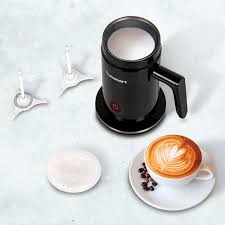
A Quick Refresher: The Main Types of Milk Frothers
Understanding your equipment is a key part of learning how to troubleshoot a milk frother. While they all do the same job, they work in slightly different ways.
| Frother Type | How It Works | Best For | Common Issues |
|---|---|---|---|
| Handheld Wand | A battery-powered spinning whisk you insert into milk. | Quick, single servings; affordability; portability. | Weak batteries; user technique dependent. |
| Electric Jug | An all-in-one unit that heats and froths automatically. | Convenience; consistency; hot and cold foam. | Power connection; cleanliness; worn-out coating. |
| Steam Wand | Part of an espresso machine; uses high-pressure steam. | True barista-quality microfoam for latte art. | Clogged nozzles; user technique; machine issues. |
From Good to Gourmet: Pro Tips for Barista-Quality Foam
Once your frother is back in working order, a few small tweaks can elevate your foam from good to absolutely incredible.
- The Vortex is Your Friend: Whether using a handheld or a steam wand, the goal is to create a swirling vortex in the milk. This whirlpool effect breaks down larger air bubbles into a uniform, silky microfoam. Try tilting your cup or pitcher slightly to help get it started.
- Don’t Overdo It: Stop frothing just before you reach your desired volume. The foam will continue to set up for a few seconds after you stop. Over-frothing leads to a stiff, dry foam that just sits on top of your coffee instead of integrating with it.
- Give it a Tap & A Swirl: After frothing, give the pitcher a firm tap on the counter to pop any large, remaining bubbles. Then, swirl the milk gently to give it a glossy, paint-like texture before you pour. This is a crucial step for latte art!
Frequently Asked Questions (FAQ)
Q: Why does my milk get really hot but not frothy in my electric frother?
A: This almost always means the small wire whisk attachment is missing or not properly seated. The frother has two parts: a heating element and a whisk. If the whisk isn’t spinning, the milk will just get hot. Check to make sure the whisk is snapped securely into place at the bottom of the jug.
Q: Can I use non-dairy milk in any frother?
A: Yes, but results vary wildly. For best results, always use a “barista series” or “barista blend” version of your favorite non-dairy milk (oat is generally the best performer). These are formulated to have the right protein and fat balance for stable foam. Regular almond or rice milk often produces disappointing results.
Q: Why is my froth disappearing so quickly?
A: This usually indicates the foam structure is weak, consisting of large bubbles rather than microfoam. This can be caused by using older milk, not starting with cold enough milk, or using a frother that isn’t spinning fast enough. Also, ensure your coffee cup is clean; oils or residues can break down foam.
Q: How often should I deep clean my milk frother?
A: A daily rinse and gentle wash is a must. For a deeper clean, especially for electric frothers with baked-on residue, try this: fill the frother with water to the max line, add a drop of vinegar or a specialized dairy cleaner, and run a full cycle. Rinse thoroughly afterward. Do this once a week or as needed.
Q: Is it possible to froth half-and-half or heavy cream?
A: Absolutely! The high-fat content makes them incredibly easy to froth, creating a rich, decadent, whipped-cream-like topping. Just be mindful that it will expand a lot, so use less than you think you need to avoid overflowing.
Your Perfect Cup Awaits
Mastering how to troubleshoot a milk frother transforms a moment of coffee-crisis into a simple fix, empowering you to be your own home barista. By understanding the simple science behind frothing—fresh, cold milk, and a clean machine—you’ll be able to solve almost any issue that comes your way. So go ahead, put these tips to the test, and get back to enjoying those cafe-quality drinks you love, right in the comfort of your own kitchen.