Ever wonder how your favorite coffee shop gets that impossibly silky, perfectly hot milk foam every single time? You might think it’s some kind of barista magic, but often, the secret is pure science. Let’s talk about a game-changing technology that’s making its way from high-end stovetops into our kitchens: What Is Induction Heating, and why is it the key to unlocking cafe-quality lattes and cappuccinos right at home?
If you’ve ever battled with scorched milk, lukewarm foam, or a frother that’s a nightmare to clean, you’re in the right place. We’re going to pull back the curtain on this amazing technology. Forget everything you thought you knew about traditional heating elements. By the end of this, you’ll not only understand what induction heating is but also why your next milk frother absolutely needs to have it.
First Off, What Is a Milk Frother and Why Do You Need One?
Before we dive into the nitty-gritty of magnetic fields and copper coils, let’s start with the basics. A milk frother, or a milk steamer, is a device designed to do one thing beautifully: aerate milk. It injects tiny air bubbles into the milk while gently heating it, transforming its texture from a flat liquid into a velvety, voluminous foam.
This glorious foam is the heart and soul of so many beloved drinks:
- Cappuccino: That classic layered look with a thick cap of foam.
- Latte: Smooth, steamed milk with a thin layer of foam, perfect for latte art.
- Hot Chocolate: Elevates a simple treat into a luxurious experience.
- Matcha Lattes: Creates that creamy consistency that’s impossible to get by just stirring.
A great milk frother is the bridge between a boring cup of coffee and a true coffeehouse experience in your own kitchen. It’s about texture, temperature, and that little moment of indulgence.
The Common Types of Milk Frothers
You’ve probably seen a few different kinds of frothers out there. They generally fall into three main camps:
- Handheld Frothers: These are small, battery-operated whisks. They’re great for a quick froth but offer no heating. You have to warm your milk separately, and the foam quality can be bubbly rather than silky.
- Standalone Electric Frothers: These are the most popular for home use. They look like a small kettle or jug and typically heat and froth the milk with the press of a button. This is where you’ll find the major differences in heating technology.
- Steam Wands: These are the powerful wands you see on the side of professional espresso machines. They use high-pressure steam to both heat and texture the milk. While they offer the most control, they come with a steep learning curve and are part of a much larger, more expensive machine.
For most of us aiming for convenience and quality at home, the standalone electric frother is the sweet spot. And within that category, the type of heating it uses makes all the difference.
|
Our Picks for the Best Milk Steamer in 2025
As an Amazon Associate, we earn from qualifying purchases.
|
||
| Num | Product | Action |
|---|---|---|
| 1 | Subminimal NanoFoamer Pro Gen-2 – Revolutionary Hands-Free Microfoam Milk Maker for Cafe-Quality Foam, Coffee Bar Accessories for Dairy & Plant-Based Milk, Perfect Coffee Gifts – US Plug Type |

|
| 2 | Electric Milk Frother and Steamer, 16.9oz/500ml Milk Steamer and Frother for Latte, Dishwasher Safe, BPA Free, 4 Functions, Enjoy Perfect Milk Froth in 2 Min - White |
|
| 3 | SIMPLETASTE Milk Frother, 4-in-1 Electric Milk Steamer, Automatic Warm and Cold Foam Maker and Milk Warmer for Latte, Cappuccinos, Macchiato |
|
| 4 | Instant Pot Milk Frother, 4-in-1 Electric Milk Steamer, 10oz/295ml Automatic Hot and Cold Foam Maker and Milk Warmer for Latte, Cappuccinos, Macchiato, From the Makers of Instant 500W, Black |
|
| 5 | Milk Frother and Steamer, Large Capacity Detachable Electric Milk Frother, Automatic Warm and Cold Foam Maker, Hot Chocolate Maker, BPA Free, Black |
|
| 6 | SIMPLETASTE Milk Frother, 4-in-1 Electric Milk Steamer, Automatic Warm and Cold Foam Maker and Milk Warmer for Latte, Cappuccinos, Macchiato |
|
| 7 | Milk Frother and Steamer, Large Capacity Detachable Electric Milk Frother, Automatic Warm and Cold Foam Maker, Stainless Steel Jug, BPA Free |
|
| 8 | Nespresso Aeroccino 3 Milk Frother, Black, Steel |
|
| 9 | Dreo Milk Frother [Upgraded], All-in-1 Electric Foam Maker for Coffee, 15oz/450ml Automatic Foam Frother for Latte Art-level Microfoam, 30+ Drinks, Dishwasher Safe, Easy to Clean, LED display |
|
| 10 | Dreo Milk Frother [Upgraded], All-in-1 Electric Foam Maker for Coffee, 15oz/450ml Automatic Foam Frother for Latte Art-level Microfoam, 30+ Drinks, Dishwasher Safe, Easy to Clean, LED display |
|
So, What is Induction Heating, Really?
Alright, let’s get to the main event. Forget the complicated physics diagrams. Here’s the simple version.
Induction heating is a method of heating that uses magnetic fields to generate heat directly within the object you want to heat, instead of using a flame or an electric heating element.
Picture an induction stovetop. The glass surface itself doesn’t get screaming hot. But when you place a compatible (magnetic) pot on it, the pot gets hot almost instantly. That’s induction in action! It’s creating a magnetic field that causes the metal of the pot to heat up from within. It’s like a precise, invisible flame that only heats the pot.
How Does This Magic Work in a Milk Frother?
Now, let’s apply that concept to your morning latte.
A traditional electric frother has a heating element built into the base of the unit, much like an electric kettle. This element gets hot and transfers its heat through the bottom of the jug to the milk. This can lead to hot spots and that dreaded layer of scorched, burnt-on milk at the bottom.
An induction milk frother is different.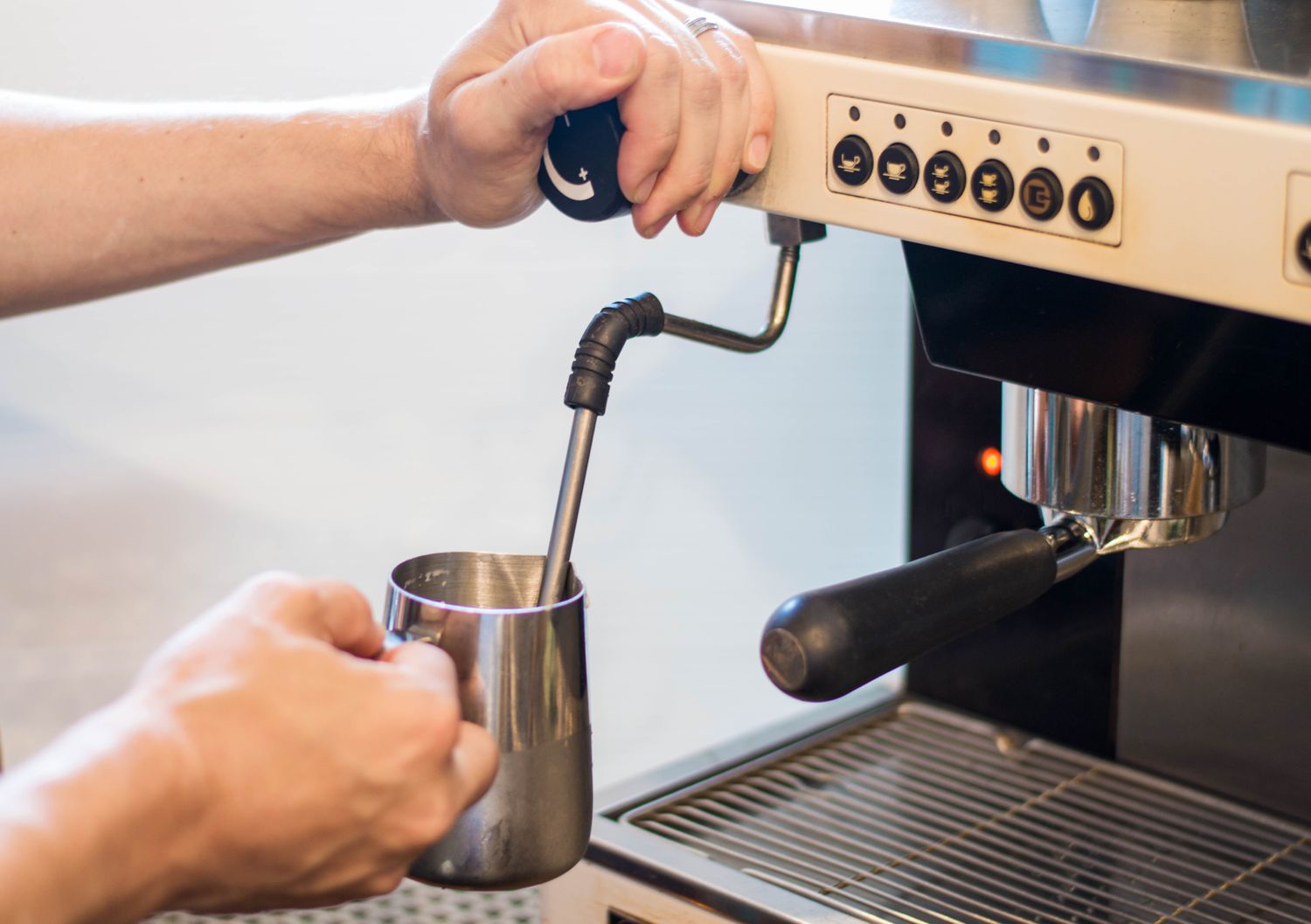
- The base of the frother contains a copper coil.
- When you turn it on, an electric current flows through the coil, creating a magnetic field.
- You place the stainless steel milk jug (which is separate from the base) on top.
- The magnetic field makes the metal of the jug itself the source of heat. The base stays cool.
The heat is generated evenly and instantly throughout the entire base of the jug, warming the milk gently and consistently. No direct contact with a scorching-hot plate means no burnt milk.
“The switch to induction frothing in the high-end home market was a revelation. It solves the two biggest user complaints in one go: inconsistent heating and difficult cleaning. The precision allows for much better microfoam, especially with alternative milks.” – Clara Bennett, Lead Equipment Specialist
The Real-World Benefits: Why You’ll Love an Induction Frother
Okay, the science is cool, but what does it actually mean for your coffee? Why should you care about what is induction heating? Because the benefits are tangible, and you’ll notice them from the very first use.
1. Goodbye, Scorched Milk!
This is the number one advantage. Because the heat is generated so evenly across the bottom of the jug, you get gentle, consistent warming. You can say farewell to that frustrating, smelly film of burnt milk that’s a pain to scrub off.
2. Unbelievably Easy to Clean
Since the heating happens in the jug and the jug is a separate, cordless piece, cleaning is a dream. Most induction frother jugs are made of stainless steel and are completely dishwasher safe. Just froth, pour, and pop it in the dishwasher. Compare that to trying to wash a unit with an exposed heating element and an attached power cord!
3. Speed and Efficiency
Induction is incredibly fast. The jug starts heating instantly, cutting down the time it takes to get your milk perfectly steamed. It’s also more energy-efficient because very little heat is wasted; it all goes directly into the jug.
4. Precision Temperature Control
Top-tier induction frothers offer incredible temperature control. This isn’t just a gimmick. Different milks froth best at different temperatures.
- Dairy Milk: Creates beautiful, stable microfoam around 140-150°F (60-65°C). Go hotter, and the proteins start to break down.
- Oat Milk: Often froths best at a slightly lower temperature to maintain its creamy texture.
- Almond Milk: Can be finicky and often requires a gentle hand and precise temperature.
With an induction frother, you can often select a specific temperature, giving you barista-level control to get the best possible results from any type of milk.
How to Use an Induction Frother for Perfect Foam: A Step-by-Step Guide
Using one of these is beautifully simple, but a few small tweaks can take your foam from good to great.
- Start Cold: Always use fresh, cold milk straight from the fridge. Cold milk gives you more time to incorporate air before it gets too hot, resulting in a finer, silkier foam.
- Choose the Right Whisk: Most induction frothers come with two attachments: a frothing whisk (with a spring-like coil) for cappuccinos and a heating whisk (a smooth paddle) for lattes or just warming milk. Select the one for your desired drink.
- Mind the Fill Lines: Pay close attention to the MAX and MIN lines inside the jug. There are usually two “MAX” lines—one for frothing (lower) and one for just heating (higher). Overfilling when frothing is a recipe for a milky mess on your counter.
- Select Your Setting: Press the button to choose your desired setting. This might be hot foam, cold foam, or just heated milk. If you have temperature control, set it now.
- Let it Work its Magic: The machine will run and automatically shut off when it reaches the perfect temperature and texture. It’s almost completely silent.
- Pour Immediately: For the best texture and for latte art, pour the frothed milk into your coffee as soon as the cycle is finished. Give the jug a little swirl to integrate the foam and milk before you pour.
Pro Tips for Next-Level Froth
- Fat is Your Friend: For dairy milk, whole milk will always produce the richest, creamiest, and most stable foam due to its higher fat and protein content. Skim milk creates a lighter, airier foam that dissipates quickly.
- Not All Plant Milks are Equal: If you’re using non-dairy alternatives, look for “Barista Edition” versions. These are specially formulated with stabilizers and proteins to froth just like dairy milk.
- Keep It Clean: Even though the jug is easy to clean, rinse it out immediately after each use. Any milk residue can affect the quality of your next froth.
What to Consider When Buying an Induction Milk Frother
Ready to upgrade your coffee game? Here’s a quick checklist of what to look for:
- Capacity: How many drinks do you usually make at once? Choose a size that fits your needs.
- Foam Settings: Do you want just hot foam, or are options for cold foam (for iced lattes) and different foam densities important to you?
- Temperature Control: For the true coffee aficionado, the ability to set a specific temperature is a massive advantage.
- Jug Material: Look for a high-quality, 100% stainless steel jug. It’s durable, safe, and easy to clean.
- Brand Reputation and Reviews: Check what other users are saying. A reliable frother is an investment in your daily happiness.
Frequently Asked Questions
Can induction frothers make cold foam?
Yes, absolutely! Most high-quality induction frothers have a dedicated setting for creating rich, dense cold foam without any heat. It’s perfect for topping iced coffees and cold brews for that trendy coffee shop feel.
Is induction heating safe in a milk frother?
Induction heating is one of the safest heating methods available. The base itself doesn’t get hot, and the units have auto shut-off features to prevent overheating. It’s much safer than an open flame or an exposed heating element.
Are induction milk frothers better than steam wands?
For the average home user, yes. While a steam wand offers more manual control for a professional barista, an induction frother provides incredible consistency, ease of use, and simple cleanup with almost zero learning curve.
Why is my induction frother not working?
The most common issue is improper placement of the jug on the base or using the wrong whisk. Ensure the jug is seated correctly and that the small magnetic whisk is properly attached inside. Always check that the unit is plugged in.
What’s the best milk for an induction frother?
For dairy, fresh whole milk is king. For non-dairy, “Barista Blend” oat milk is widely considered the best for its creamy texture and stable foam. However, a good induction frother can work wonders with many types of milk.
The Final Word
So, when someone asks you what is induction heating, you can now tell them it’s not just some technical jargon—it’s the secret to a better, easier, and more delicious coffee experience at home. It’s the technology that finally solves the age-old problems of burnt milk and tedious cleaning, all while delivering consistently perfect, velvety foam. Investing in an induction milk frother is one of the single best upgrades you can make to your daily ritual, turning your kitchen counter into your new favorite cafe.