Ever stand in your kitchen, staring at your homemade latte, wondering why it just doesn’t have that je ne sais quoi of your favorite café’s creation? The coffee is good, but the milk… it’s just a bit bubbly, a bit sad. If this sounds familiar, you’ve likely come across the term “commercial milk frother” in your quest for a better brew. But What Is A Commercial Milk Frother, really, and is it the secret weapon your home coffee bar is missing?
Let’s dive in. Think of your coffee journey. You started with a basic drip machine, maybe graduated to a French press or an AeroPress. Now, you’re ready to conquer the world of milk-based drinks. A standard, handheld frother is like a bicycle with training wheels—it gets you moving, but you’ll never win the Tour de France. A commercial-style frother is your upgrade to a high-performance racing bike. It’s about power, precision, and that velvety, dream-like texture that separates a good coffee from a truly unforgettable one.
So, What Exactly Is a Commercial Milk Frother?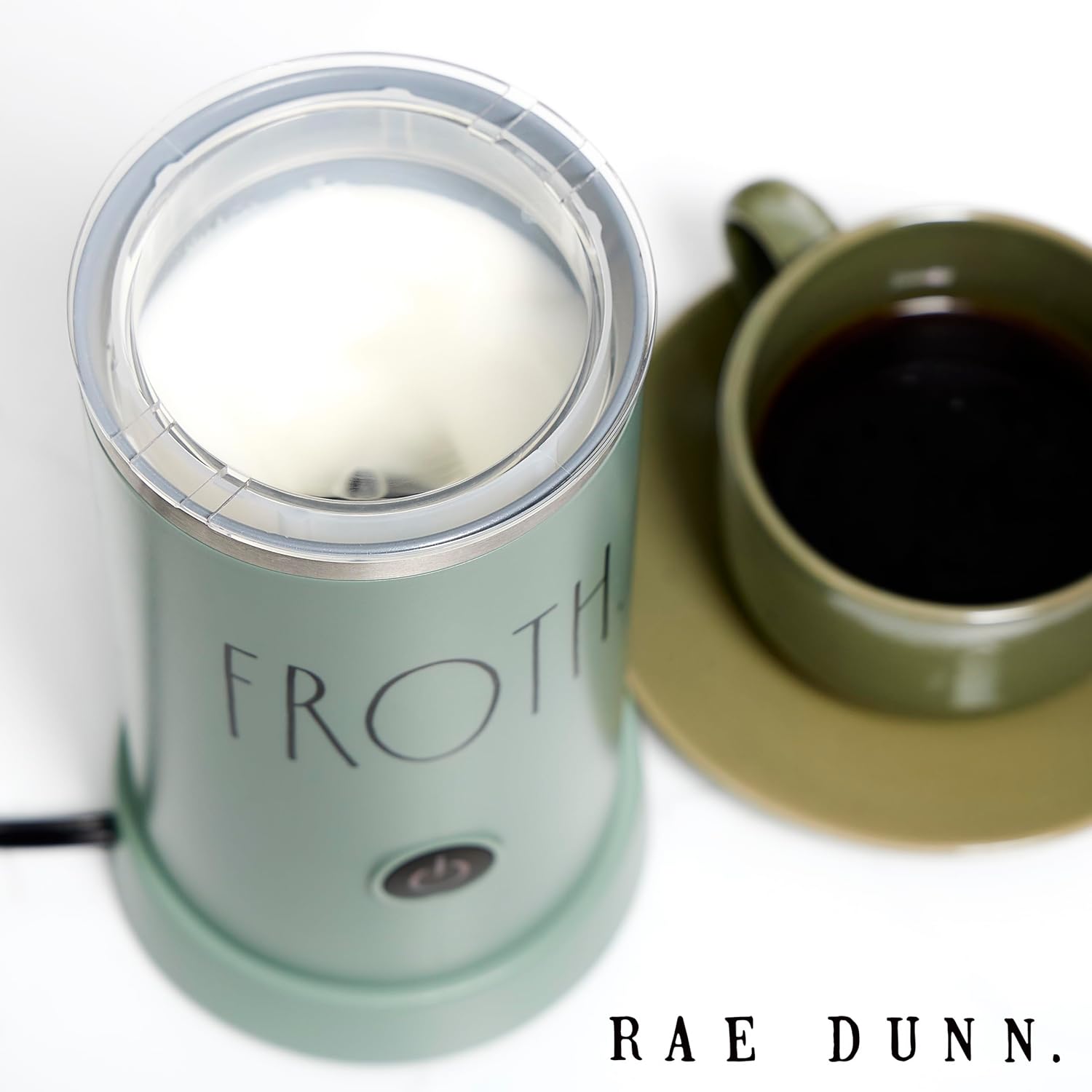
A commercial milk frother is a high-powered device designed to heat milk and create beautifully textured microfoam using steam. Unlike basic battery-operated whisks that just whip air into milk, a commercial unit injects pressurized steam, simultaneously heating and texturing the milk on a molecular level. This process creates a silky, glossy foam that integrates perfectly with espresso, which is the key to creating latte art and achieving that authentic café taste.
These are the powerful steam wands you see baristas using at your local coffee shop. They’re built for speed, consistency, and durability, capable of frothing pitcher after pitcher of milk without breaking a sweat. While true commercial machines are large and expensive, the technology has trickled down into prosumer and high-end home espresso machines, bringing this capability into our kitchens.
“Mastering a steam wand isn’t just about following steps; it’s about listening. You’re listening for that gentle ‘tearing’ sound as you introduce air, then the quiet hum as you create the vortex. It’s a conversation between you and the milk.” – Isabella Rossi, Head Barista and Coffee Consultant
The Different Flavors of Milk Frothers
Not all frothers are created equal. They generally fall into a few key categories, each with its own pros and cons for the home user.
The Espresso Machine Steam Wand: The Pro’s Choice
This is the quintessential commercial milk frother. Integrated into an espresso machine, this powerful wand offers the highest degree of control.
- How it works: It draws steam from the machine’s boiler, giving you a continuous and powerful jet.
- Best for: The coffee enthusiast who wants total control over milk texture, from the stiff foam of a traditional cappuccino to the silky microfoam for a flat white. It’s a must-have if you’re serious about learning latte art.
- The Catch: There’s a learning curve. It takes practice to master the angle, depth, and timing. It also requires a more significant investment as part of a full espresso machine.
Standalone Automatic Milk Frothers: The Convenient Powerhouse
These countertop devices are the perfect middle ground. They offer excellent results with push-button simplicity, often using induction heating and a magnetic whisk.
- How it works: You pour in cold milk, choose a setting (e.g., hot foam, cold foam, heat only), and press a button. The machine does the rest.
- Best for: Anyone who wants consistently great frothed milk for lattes, cappuccinos, or even hot chocolate without the manual effort of a steam wand. They are incredibly user-friendly.
- The Catch: You sacrifice the fine-tuned control of a steam wand, making detailed latte art more challenging.
Handheld Frothers: The Humble Beginner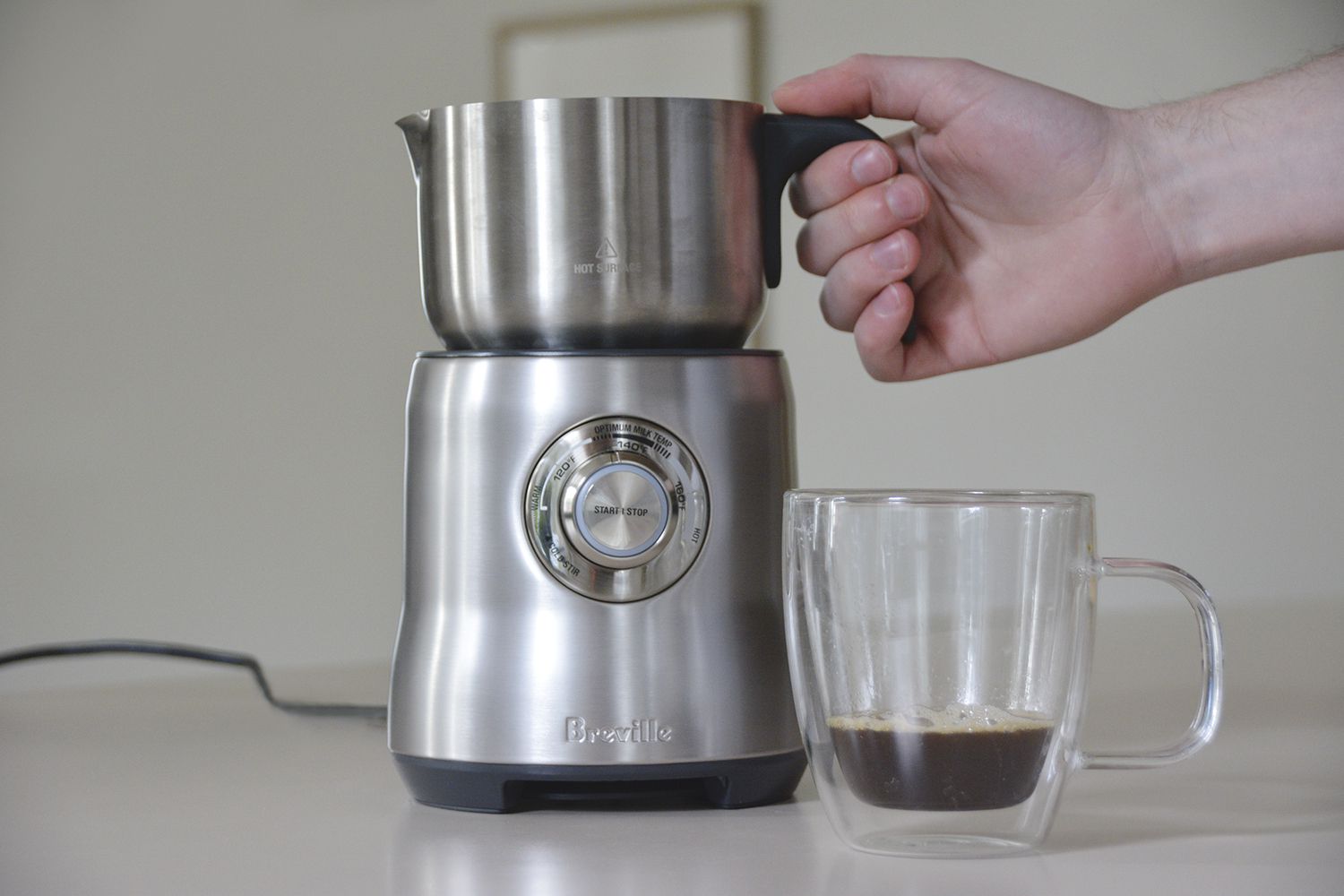
While not a “commercial milk frother” in the truest sense, it’s where many of us start. It’s a small, battery-powered whisk.
- How it works: You heat your milk separately (in a microwave or on the stove), then submerge the whisk to whip in air.
- Best for: Those on a tight budget or with limited counter space. It’s a good entry point to see if you enjoy milk-based drinks at home.
- The Catch: It creates large, airy bubbles (macrofoam) rather than silky microfoam. The foam separates from the coffee quickly and doesn’t offer the rich texture of steamed milk.
|
Our Picks for the Best Milk Steamer in 2025
As an Amazon Associate, we earn from qualifying purchases.
|
||
| Num | Product | Action |
|---|---|---|
| 1 | Dreo Milk Frother [Upgraded], All-in-1 Electric Foam Maker for Coffee, 15oz/450ml Automatic Foam Frother for Latte Art-level Microfoam, 30+ Drinks, Dishwasher Safe, Easy to Clean, LED display |
![Check Dreo Milk Frother [Upgraded], All-in-1 Electric Foam Maker for Coffee, 15oz/450ml Automatic Foam Frother for Latte Art-level Microfoam, 30+ Drinks, Dishwasher Safe, Easy to Clean, LED display on Amazon](https://milksteamerfrother.com/wp-content/plugins/amazon-tables/image/buy.png)
|
| 2 | Milk Frother and Steamer, Large Capacity Detachable Electric Milk Frother, Automatic Warm and Cold Foam Maker, Stainless Steel Jug, BPA Free |
|
| 3 | Electric Milk Frother and Steamer, 16.9oz/500ml Milk Steamer and Frother for Latte, Dishwasher Safe, BPA Free, 4 Functions, Enjoy Perfect Milk Froth in 2 Min - White |
|
| 4 | Milk Frother and Steamer, Large Capacity Detachable Electric Milk Frother, Automatic Warm and Cold Foam Maker, Hot Chocolate Maker, BPA Free, Black |
|
| 5 | Instant Pot Milk Frother, 4-in-1 Electric Milk Steamer, 10oz/295ml Automatic Hot and Cold Foam Maker and Milk Warmer for Latte, Cappuccinos, Macchiato, From the Makers of Instant 500W, Black |
|
| 6 | Dreo Milk Frother [Upgraded], All-in-1 Electric Foam Maker for Coffee, 15oz/450ml Automatic Foam Frother for Latte Art-level Microfoam, 30+ Drinks, Dishwasher Safe, Easy to Clean, LED display |
|
| 7 | Subminimal NanoFoamer Pro Gen-2 – Revolutionary Hands-Free Microfoam Milk Maker for Cafe-Quality Foam, Coffee Bar Accessories for Dairy & Plant-Based Milk, Perfect Coffee Gifts – US Plug Type |
|
| 8 | SIMPLETASTE Milk Frother, 4-in-1 Electric Milk Steamer, Automatic Warm and Cold Foam Maker and Milk Warmer for Latte, Cappuccinos, Macchiato |
|
| 9 | SIMPLETASTE Milk Frother, 4-in-1 Electric Milk Steamer, Automatic Warm and Cold Foam Maker and Milk Warmer for Latte, Cappuccinos, Macchiato |
|
| 10 | Nespresso Aeroccino 3 Milk Frother, Black, Steel |
|
How to Use a Commercial Milk Frother Like a Barista
Ready to steam? Grabbing your espresso machine’s steam wand can be intimidating at first, but follow these steps, and you’ll be pouring like a pro in no time.
- Start with Cold Milk and a Cold Pitcher. Seriously, this is non-negotiable. Cold milk allows you more time to introduce air before it gets too hot. A chilled metal pitcher helps keep it cold even longer.
- Fill Your Pitcher Correctly. Pour milk up to just below the start of the spout. This gives the milk enough room to expand (it can nearly double in volume) without overflowing.
- Purge the Wand. Before inserting the wand into the milk, point it towards the drip tray and open the steam valve for a second or two. This clears out any condensed water.
- Position the Wand. Submerge the tip of the steam wand just below the surface of the milk, slightly off-center. This position is key to creating a vortex.
- The Aeration Phase (“Stretching”). Turn the steam on fully. You should hear a gentle hissing or “paper-tearing” sound. Keep the tip near the surface to introduce air, letting the milk volume grow. Do this for just a few seconds (3-5 seconds for a latte, 6-8 for a cappuccino).
- The Emulsifying Phase (“Texturing”). Once you have enough air, submerge the wand deeper into the milk. Angle the pitcher to create a whirlpool or vortex. This motion breaks down the large bubbles into tiny microfoam and heats the milk evenly. Stop when the pitcher is too hot to comfortably touch for more than a second (around 140-150°F or 60-65°C).
- Clean and Purge Again. Immediately turn off the steam, remove the wand, and wipe it with a damp cloth. Purge it one more time to clear any milk from the inside. Never skip this step!
- Tap and Swirl. Gently tap the pitcher on the counter to pop any large surface bubbles. Swirl the milk in the pitcher until it has a glossy, wet-paint-like sheen. Now, you’re ready to pour.
Pro Tips for Unlocking Perfect Microfoam
Want to take your skills to the next level? Keep these professional secrets in mind.
- The Right Milk is a Game-Changer. Whole milk is the easiest to work with due to its fat and protein content, creating a rich, creamy foam. Skim milk can create a lot of stiff foam, but it often lacks flavor. For non-dairy, “barista blend” alternative milks are your best bet—they’re formulated with stabilizers to froth up beautifully.
- Temperature is Everything. If you under-heat the milk, it will taste bland. If you overheat it (past 160°F / 70°C), you’ll scald it, destroying the sugars and creating a burnt, unpleasant flavor. An inexpensive frothing thermometer can be a great training tool.
- Your Pitcher Matters. A stainless steel pitcher with a sharp spout is essential. The metal helps you gauge the temperature by touch, and the spout is crucial for pouring with control for latte art.
- Listen to the Sizzle. Your ears are one of your best tools. A loud, screaming sound means the wand is too deep. A gurgling, bubbly sound means it’s too high. That gentle, consistent hiss is the sweet spot.
What to Look for When Buying a Commercial Milk Frother
If you’re ready to invest in a machine with a powerful steam wand, here are a few things to consider:
- Boiler Type: Machines with a heat exchange or dual boiler system can pull espresso shots and steam milk simultaneously, mimicking a true café workflow. Single boiler machines require you to switch between brewing and steaming modes.
- Steam Power: Measured in bars of pressure. A higher pressure rating generally means faster, drier steam, which makes it easier to create silky microfoam.
- Wand Articulation: A wand that can move freely on a ball joint is much easier to position correctly than a fixed one.
- Number of Holes: Steam wand tips come with one to four holes. More holes can steam milk faster but can be less forgiving for beginners. A two-hole tip is often a great starting point for home use.
Frequently Asked Questions
Q: Can I froth non-dairy milk with a commercial milk frother?
A: Absolutely! The best results come from barista-specific alternative milks (oat, almond, soy) as they contain emulsifiers to help create stable foam. Oat milk is often considered the best non-dairy option for creating a texture similar to whole milk.
Q: What’s the difference between microfoam and macrofoam?
A: Microfoam consists of tiny, uniform bubbles that are so small you can’t see them, creating a silky, liquid texture that integrates with espresso. Macrofoam, often made with a handheld whisk, has large, airy bubbles that sit on top of the coffee like a separate layer.
Q: Do I need a special pitcher for frothing milk?
A: While you can technically froth in any heat-safe container, a stainless steel milk frothing pitcher is highly recommended. The metal conducts heat, allowing you to gauge the temperature by touch, and a defined spout is essential for pouring latte art.
Q: Is a commercial milk frother worth it for home use?
A: If you regularly drink lattes, cappuccinos, or flat whites and desire café-quality results, then yes, it’s absolutely worth it. The difference in texture and taste compared to a basic frother is night and day. It’s an investment in your daily ritual.
Q: How hot should my frothed milk be?
A: The ideal temperature range is between 140°F and 150°F (60-65°C). This is the sweet spot where the milk’s natural sweetness is maximized without scalding it. The pitcher should feel hot to the touch, but not so hot that you have to let go immediately.
The Final Word on Frothing
So, we’ve gone from asking “what is a commercial milk frother” to understanding its power to completely transform your coffee experience. It’s more than just a tool; it’s your ticket to becoming a true home barista. It’s the key to unlocking that rich, velvety texture that makes a simple coffee and milk into an art form. Whether you opt for a high-end espresso machine with a steam wand or a quality automatic frother, upgrading your milk game is one of the most impactful changes you can make. Your morning cup will thank you.