Ever wonder why the latte from your favorite coffee shop tastes so consistently silky and sweet, while your homemade version is a bit of a gamble? Sometimes it’s perfect, other times it’s lukewarm, and occasionally, it has that slightly sad, burnt taste. The secret often lies in one game-changing feature: understanding What Is A Variable Temperature Control. This isn’t just another button on a gadget; it’s your ticket to becoming a true home barista, giving you the precision to craft café-quality drinks right in your own kitchen. Let’s dive in and demystify this feature that will forever change your coffee game.
First, What is a Milk Steamer Anyway?
Before we get into the nitty-gritty of temperature, let’s get on the same page. A milk steamer or frother is a device designed to do two things: heat milk and aerate it by injecting air, creating that delicious, velvety foam we all love in cappuccinos, lattes, and hot chocolates. It transforms cold, flat milk into a textured, luxurious component that elevates your entire drink. Forget manually whisking over a stove; this is about achieving consistent perfection with minimal effort.
The Main Players: Types of Milk Steamers
Milk frothers come in a few common shapes and sizes, and where you find variable temperature control largely depends on the type.
Handheld Frothers
These are the small, battery-operated wands. They’re fantastic for a quick froth, especially for things like dalgona coffee or mixing matcha. However, they don’t heat the milk themselves—you’ll have to warm it separately. Because of this, they do not have temperature control features.
Automatic Electric Frothers
This is where the magic happens. These countertop devices, often resembling a small electric kettle, both heat and froth your milk at the push of a button. The base models have preset functions, but the more advanced ones are equipped with the very feature we’re exploring today: what is a variable temperature control. This allows you to select a specific temperature for your milk.
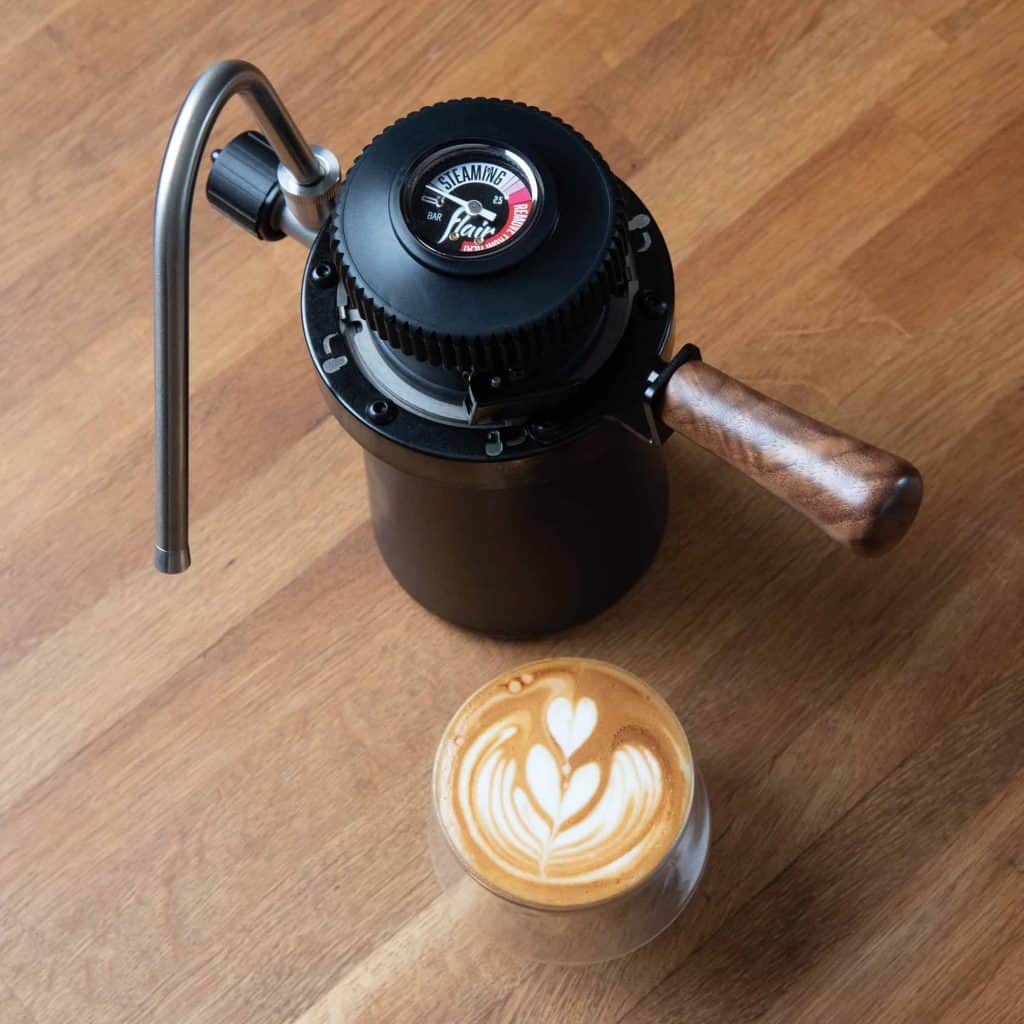
Steam Wands on Espresso Machines
For the serious coffee aficionado, the steam wand on an espresso machine is the traditional tool. It uses high-pressure steam to simultaneously heat and texturize milk. While it offers incredible control, it requires skill and practice. High-end machines are now incorporating automatic temperature sensors to make the process easier, mimicking the precision of an automatic frother.
|
Our Picks for the Best Milk Steamer in 2025
As an Amazon Associate, we earn from qualifying purchases.
|
||
| Num | Product | Action |
|---|---|---|
| 1 | Nespresso Aeroccino 3 Milk Frother, Black, Steel |

|
| 2 | Subminimal NanoFoamer Pro Gen-2 – Revolutionary Hands-Free Microfoam Milk Maker for Cafe-Quality Foam, Coffee Bar Accessories for Dairy & Plant-Based Milk, Perfect Coffee Gifts – US Plug Type |
|
| 3 | Milk Frother and Steamer, Large Capacity Detachable Electric Milk Frother, Automatic Warm and Cold Foam Maker, Stainless Steel Jug, BPA Free |
|
| 4 | Milk Frother and Steamer, Large Capacity Detachable Electric Milk Frother, Automatic Warm and Cold Foam Maker, Hot Chocolate Maker, BPA Free, Black |
|
| 5 | SIMPLETASTE Milk Frother, 4-in-1 Electric Milk Steamer, Automatic Warm and Cold Foam Maker and Milk Warmer for Latte, Cappuccinos, Macchiato |
|
| 6 | Dreo Milk Frother [Upgraded], All-in-1 Electric Foam Maker for Coffee, 15oz/450ml Automatic Foam Frother for Latte Art-level Microfoam, 30+ Drinks, Dishwasher Safe, Easy to Clean, LED display |
|
| 7 | Dreo Milk Frother [Upgraded], All-in-1 Electric Foam Maker for Coffee, 15oz/450ml Automatic Foam Frother for Latte Art-level Microfoam, 30+ Drinks, Dishwasher Safe, Easy to Clean, LED display |
|
| 8 | Electric Milk Frother and Steamer, 16.9oz/500ml Milk Steamer and Frother for Latte, Dishwasher Safe, BPA Free, 4 Functions, Enjoy Perfect Milk Froth in 2 Min - White |
|
| 9 | SIMPLETASTE Milk Frother, 4-in-1 Electric Milk Steamer, Automatic Warm and Cold Foam Maker and Milk Warmer for Latte, Cappuccinos, Macchiato |
|
| 10 | Instant Pot Milk Frother, 4-in-1 Electric Milk Steamer, 10oz/295ml Automatic Hot and Cold Foam Maker and Milk Warmer for Latte, Cappuccinos, Macchiato, From the Makers of Instant 500W, Black |
|
Unlocking Perfection: What is a Variable Temperature Control?
So, let’s get to the heart of it. What is a variable temperature control?
Simply put, it’s a feature on an automatic milk frother that allows you to set the precise final temperature of your milk. Instead of relying on a single preset for “hot,” you can choose from a range of temperatures, often from cool (for cold foam) up to very hot (for extra-hot lattes), typically in increments of 5 or 10 degrees.
Think of it like the thermostat in your home. You don’t just have “on” and “off”; you can set it to exactly 72°F (or 22°C) for perfect comfort. A frother with this feature gives you that same level of precision for your drink. It takes the guesswork out of heating milk, ensuring you never accidentally scald it or end up with a lukewarm cappuccino.
A Step-by-Step Guide to Using Your Frother’s Temperature Settings
Using this feature is incredibly straightforward, but following a few key steps will guarantee a perfect result every time.
- Choose Your Milk: Pour your preferred milk into the frother, making sure not to exceed the “max” line for frothing. The type of milk you use will dramatically affect the foam. We’ll touch on that more in our pro tips below.
- Select Your Temperature: This is the crucial step. Use the controls on your frother to select your desired temperature. A good starting point for most lattes and cappuccinos is around 150°F / 65°C.
- Pick Your Froth Level: Most devices with variable temperature also allow you to choose the foam density, from a light stir for hot milk to a thick, airy foam for a dry cappuccino.
- Press Start and Wait: The machine will now heat the milk to your exact specification while simultaneously frothing it. It will automatically shut off once the target temperature is reached.
- Pour and Enjoy: As soon as it’s done, pour your perfectly textured, precisely heated milk into your coffee or espresso. Don’t let it sit, as the foam and milk will start to separate.
Pro Tips from a Barista’s Playbook
Having the right tool is half the battle. The other half is technique and knowledge. Here are some insider tips to get the most out of your frother’s temperature control.
- The Milk Really Matters: The protein and fat content in milk are what create stable, creamy foam.
- Whole Dairy Milk: This is the gold standard for rich, creamy microfoam that’s perfect for latte art. The fats provide flavor and the proteins create a stable structure.
- Skim Milk: Creates a lot of stiff, airy foam, but it lacks the creamy texture and flavor of whole milk.
- Barista-Edition Plant-Based Milks: If you prefer oat, almond, or soy, always opt for the “barista blend.” These are specially formulated with added emulsifiers and proteins to help them froth up just like dairy milk. Standard versions often fall flat.
- Find the “Sweet Spot” Temperature: The ideal temperature range for heating milk is between 140-155°F (60-68°C).
- Below this range, the coffee might not be hot enough.
- Above this range, the milk proteins begin to break down, or “denature.” This is what causes that unpleasant scalded, slightly sulfuric taste and destroys the milk’s natural sweetness. A variable temperature control feature is the only way to guarantee you hit this sweet spot every single time.
- Cold Foam is a Thing: Don’t forget that many of these frothers have a “cold” setting. You can create a thick, creamy cold foam to top your iced coffees and cold brews—a café trend you can now easily replicate at home.
“Variable temperature control isn’t a luxury; it’s the difference between a good coffee and a great one. It gives you the power to respect the unique properties of each type of milk, from dairy to almond, unlocking its full flavor potential without scorching it.” – Alex Chen, Lead Barista and Coffee Consultant.
Keeping It Clean: Maintenance for Your Milk Steamer
A clean frother is a happy frother. To ensure your machine works perfectly and your drinks taste fresh, follow these simple rules:
- Rinse Immediately: As soon as you’ve poured your milk, rinse the frothing jug with warm water. Milk residue hardens quickly and can be difficult to remove later.
- Gentle Cleaning: Use a soft, non-abrasive sponge and a little dish soap to clean the interior. Most frothing jugs have a non-stick coating that can be damaged by harsh scrubbers.
- Dry Thoroughly: Make sure the jug and its electrical contacts are completely dry before placing it back on the base.

Buying Guide: What to Look For in a Frother with Temperature Control
Ready to invest in this game-changing feature? Here’s a quick checklist of what to consider when you’re shopping.
- Temperature Range: Does it offer a wide enough range for your needs, including a cold froth option?
- Capacity: How much milk do you typically froth at once? Make sure the machine’s capacity matches your needs, whether you’re making a single cappuccino or lattes for two.
- Froth Options: Look for a model that offers different foam textures, not just a single setting.
- Ease of Cleaning: Is the frothing jug dishwasher-safe? Is the interior seamless and easy to wipe clean?
- Build Quality: Look for stainless steel construction and a reputable brand known for reliable small appliances.
Frequently Asked Questions
Q: What is the best temperature for frothing milk?
A: The ideal temperature for most coffee drinks is between 140-155°F (60-68°C). This range maximizes the milk’s natural sweetness without scalding it, creating a perfectly balanced and creamy texture.
Q: Can you use variable temperature control for cold foam?
A: Yes! Most frothers with this feature include a “cold” or no-heat setting. This simply aerates the milk without heating it, creating a rich, dense cold foam that’s perfect for topping iced drinks.
Q: Does plant-based milk need a different temperature?
A: Generally, the same temperature range works well for both dairy and plant-based milks. However, some people find that oat milk’s flavor shines brightest at a slightly lower temperature, around 140°F (60°C). The beauty of what is a variable temperature control is that you can experiment to find what you like best.
Q: Is a frother with temperature control worth the extra cost?
A: If you are serious about the quality and consistency of your homemade coffee drinks, absolutely. It eliminates the biggest variable—temperature—and gives you the power to consistently create café-quality foam, preventing the common pitfalls of burnt or lukewarm milk.
Q: How do I know if my milk is at the right temperature without this feature?
A: The traditional barista method is to use a frothing pitcher and touch its side with your hand. When it becomes too hot to comfortably hold for more than a second, it’s usually in the right temperature zone. However, this method is subjective and lacks the precision of a dedicated control.
Your Coffee, Your Rules
Ultimately, understanding what is a variable temperature control is about taking back control over your coffee experience. It’s the key that unlocks a new level of consistency, precision, and creativity in your home brewing journey. No more guessing, no more disappointing lattes. Just perfectly heated, beautifully textured milk, every single time. It’s a small feature that makes a world of difference, empowering you to craft the perfect cup, exactly the way you like it.