Crafting the perfect latte or cappuccino is an art, and the steam wand is your indispensable brush. Yet, this vital component is often overlooked, leading to compromised flavors, health risks, and costly machine damage. Have you ever wondered why your milk tastes off, or why your steam pressure isn’t what it used to be? The answer often lies in improper cleaning. This comprehensive guide will equip you with the knowledge and routine to keep your espresso machine’s steam wand spotless, ensuring every drink is a masterpiece and your machine operates flawlessly for years to come.
What is a Steam Wand and Why is Cleaning Crucial?
A steam wand is the essential tool on your espresso machine that transforms cold milk into creamy, velvety microfoam using pressurized steam. It’s where the magic happens for lattes, cappuccinos, and other milk-based beverages. However, milk, being a protein-rich substance, easily leaves residues when heated. These residues, often referred to as “milk stone,” are a mixture of fats, proteins, and minerals that cling to the inside and outside of the wand.
Beyond affecting the taste of your meticulously crafted drinks, failing to clean your steam wand poses significant health risks. Unseen bacteria like Salmonella and E. coli can proliferate in stale milk residue, turning a delicious beverage into a potential health hazard. Moreover, milk buildup can obstruct the wand’s tiny holes, leading to decreased steam pressure, inconsistent frothing, and ultimately, a shortened lifespan for your machine due to strain and internal corrosion. Regular, thorough cleaning isn’t just about aesthetics; it’s about hygiene, performance, and protecting your investment.
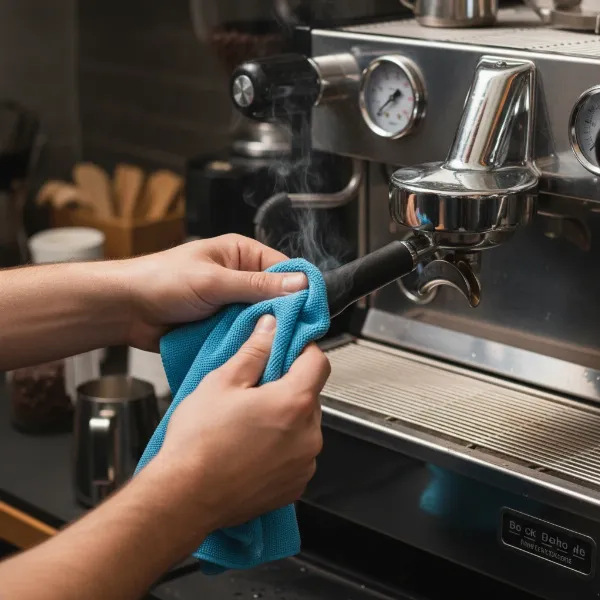 Close-up of a person wiping an espresso machine steam wand after use, showing daily maintenance.
Daily Maintenance: The Golden Rules for Every Use
The most critical aspect of steam wand hygiene happens immediately after each use. Think of it as the “golden rule” of espresso machine maintenance. Neglecting these quick steps allows milk to dry and bake onto the wand, creating stubborn buildup that is much harder to remove later.
Wipe Immediately
|
Our Picks for the Best Milk steamer in 2026
As an Amazon Associate I earn from qualifying purchases.
|
||
| Num | Product | Action |
|---|---|---|
| 1 | SIMPLETASTE Milk Frother, 4-in-1 Electric Milk Steamer, Automatic Warm and Cold Foam Maker and Milk Warmer for Latte, Cappuccinos, Macchiato |

|
| 2 | Electric Milk Frother and Steamer, 16.9oz/500ml Milk Steamer and Frother for Latte, Dishwasher Safe, BPA Free, 4 Functions, Enjoy Perfect Milk Froth in 2 Min |
|
| 3 | SIMPLETASTE Milk Frother, 4-in-1 Electric Milk Frother and Steamer, Automatic Warm and Cold Foam Maker and Milk Warmer for Latte, Cappuccinos, Dark Blue |
|
| 4 | Milk Frother, 4-in-1 Milk Frother and Steamer, 10.6oz Electric Milk Steamer, Automatic Cold and Hot Foam maker for Lattes, Cappuccinos, Ceramic Lining Interior (Polished) |
|
| 5 | Large Electric Milk Frother and Steamer, 16.9oz/500ml Milk Steamer and Frother for Latte or Hot Chocolate, Dishwasher Safe, 6 Functions, Enjoy Perfect Milk Froth in 2 Min (White-Glass) |
|
| 6 | Milk Frother, 4-in-1 Electric Milk Steamer, 350ml/11.8oz Automatic Frother Machine for Coffee, Warm and Cold Foam, Temperature Control for Latte, Cappuccino, Hot Chocolate |
|
| 7 | Milk Frother and Steamer, Large Capacity & Detachable Electric Milk Frother, Automatic Warm and Cold Foam Maker, Hot Chocolate Maker, Stainless Steel Jug, 30.44Oz./900ML |
|
| 8 | Milk Frother, Paris Rhône 4-in-1 Milk Steamer and Frother, Hot & Cold Foam Milk Warmer with Temperature Control, Auto Shut-Off Frothers for Coffee, Latte, Cappuccino, Macchiato |
|
| 9 | SIMPLETASTE Milk Frother, 4-in-1 Electric Milk Steamer, Automatic Warm and Cold Foam Maker and Milk Warmer for Latte, Cappuccinos, Macchiato |
|
| 10 | HAUSHOF Milk Frother, 4-in-1 Electric Milk Frother and Steamer, Large Capacity, Hot Chocolate Maker, Automatic Warm and Cold Foam Maker for Coffee, Latte, Macchiato, Cappuccino |
|
As soon as you finish steaming milk, and before the wand has a chance to cool down, quickly wipe the entire exterior with a dedicated, clean, damp cloth. A microfiber cloth is ideal as its texture helps to gently lift milk residue without scratching. The residual heat from the wand helps soften the milk, making it easy to wipe away while still wet. This simple action prevents the vast majority of external milk crust from forming.
Purge After Each Use
Immediately after wiping the wand, position it over your machine’s drip tray and open the steam valve for 1-2 seconds. This “purging” action blasts any internal milk residue and condensation out of the wand, preventing it from being sucked back into the machine’s boiler or drying inside the tip, which can lead to clogs and bacterial growth. A short, sharp burst of steam is all it takes to keep the internal channels clear.
Deep Cleaning Your Steam Wand: Weekly & Monthly Regimens
While daily wiping and purging are essential, they aren’t enough to remove the invisible buildup of milk fats and proteins that accumulate over time. For a truly hygienic and high-performing steam wand, regular deep cleaning is indispensable. The frequency depends on usage—weekly for home baristas and daily for commercial settings.
Preparation and Disassembly
Begin by allowing your machine to cool down completely. If your steam wand has a removable tip, carefully unscrew it. This allows you access to clean both the inside of the tip and the end of the wand itself. Inspect the tip’s small holes for any visible blockages.
Soaking with a Dedicated Cleaner
Fill a milk pitcher with warm water and add a specialized milk frother cleaning solution, such as Urnex Rinza or Puly Milk. These solutions are formulated to break down milk proteins and fats more effectively than plain water. Submerge the entire steam wand (or just the disassembled tip and the end of the wand if full submersion isn’t feasible or recommended by your machine’s manufacturer) into the solution. Let it soak for 15-30 minutes, allowing the cleaner to dissolve stubborn milk stone. Some baristas even recommend briefly running steam through the solution for a few seconds to agitate the cleaner and enhance its effectiveness, but always consult your cleaner’s instructions and your machine’s manual.
 An espresso machine steam wand and tip soaking in a specialized cleaning solution.
Mechanical Cleaning
After soaking, remove the wand and tip from the solution. Use a small brush (like a specialized steam wand brush or an interdental brush) or a straightened paper clip to meticulously clear any remaining clogs from the tiny holes of the steam tip. Gently scrub the exterior of the wand with a soft brush or a non-abrasive pad to remove any loosened residue.
Thorough Rinsing and Purging
This step is crucial to ensure no cleaning solution residue remains. Rinse the steam wand and tip thoroughly under clean, running water. Reattach the tip if you removed it. Then, reinsert the wand into your espresso machine, fill your water tank with fresh water, and purge the wand for an extended period (around 30-60 seconds) to flush out any internal cleaning solution and remaining debris. You might notice some discoloration in the initial purge, which confirms the cleaner is doing its job. Continue purging until the steam is clear and odor-free.
Choosing the Right Cleaning Solution
Selecting the correct cleaning agent is vital for both effectiveness and safety. Using the wrong product can damage your machine or leave behind harmful residues.
Dedicated milk frother cleaners, such as Urnex Rinza or Puly Milk, are highly recommended. These products are specifically engineered to break down milk fats and proteins, which are the primary culprits behind steam wand buildup. They are food-safe and designed to protect your machine’s components.
For home use, a diluted white vinegar solution (equal parts vinegar and water) can be a temporary alternative for soaking. However, if you opt for vinegar, extreme caution is advised. Vinegar has a strong odor and taste that can easily transfer to your drinks if not rinsed meticulously. It’s also less effective at dissolving stubborn milk stone compared to specialized cleaners. Avoid using general espresso machine cleaners like Cafiza for your steam wand, as they are formulated for coffee oils and often contain agents that aren’t ideal for milk systems. Never use harsh abrasives or corrosive chemicals not designed for food contact surfaces.
Common Problems & Troubleshooting
Even with diligent cleaning, issues can sometimes arise. Understanding how to troubleshoot common steam wand problems can save you time and frustration.
Clogged Steam Wand
Symptom: Weak or uneven steam pressure, sputtering, or no steam at all.
Cause: Dried milk inside the wand or clogged holes in the steam tip.
Solution: Immediately follow the deep cleaning steps: disassemble the tip, soak it in a dedicated cleaner, and use a pin or brush to clear the holes. Regular daily purging is the best prevention.
Decreased Steam Pressure
Symptom: Takes longer to steam milk, or inability to create microfoam.
Cause: Internal milk buildup affecting steam flow, or an issue with the machine’s boiler.
Solution: Perform a thorough deep clean. If the problem persists after ensuring the wand is spotless, consult your machine’s manual or a professional technician, as it may indicate a larger mechanical issue.
Burnt Milk Buildup
Symptom: Crusty, yellowish-brown residue on the outside of the wand that won’t wipe off easily.
Cause: Milk left to dry and “bake” onto the hot wand over time.
Solution: For stubborn external buildup, wrap the affected area of the wand with a damp cloth soaked in hot water and a milk cleaner. Let it sit for a few minutes, then gently run some steam through the wand to heat it. Carefully wipe the softened residue with the cloth. Repeat if necessary.
Expert Tips for a Spotless Steam Wand
Maintaining a pristine steam wand goes beyond just following steps; it involves adopting best practices and a mindful approach to your espresso routine.
- Dedicated Milk Cloth: Always keep a clean, damp cloth specifically for wiping your steam wand. This prevents cross-contamination and ensures you always have a suitable tool ready.
- Handle with Care: While disassembling the tip, be gentle. Avoid using metal tools that could scratch or damage the delicate holes of the steam tip. A small pin or specialized cleaning brush is usually sufficient.
- Read Your Manual: Every espresso machine is slightly different. Always refer to your machine’s user manual for specific cleaning instructions and recommendations, especially regarding disassembly and compatible cleaning agents.
- Commercial Standards: In commercial environments, health and safety regulations may mandate cleaning and sanitizing steam wands every four hours. While not always necessary for home use, adopting this level of diligence ensures peak hygiene.
- Avoid Overnight Soaking: While some older advice suggests leaving wands to soak overnight, many experts and repair technicians advise against it. Prolonged submersion can potentially lead to back-siphoning of the cleaning solution into the machine’s boiler, contaminating it and causing serious issues. Follow the recommended soaking times from your cleaner’s instructions.
- Morning Purge: Even if your wand was cleaned the night before, a quick purge in the morning before making your first drink helps clear any condensation or airborne particles that may have settled.
Conclusion
A clean steam wand is the cornerstone of exceptional milk-based beverages, ensuring every sip is as delicious and hygienic as intended. By embracing the daily rituals of wiping and purging after each use, complemented by regular deep cleaning with appropriate solutions, you not only elevate the quality of your drinks but also safeguard your health and extend the life of your valuable espresso machine. Don’t let neglected milk residue stand between you and the perfect cup. Make these cleaning practices a consistent part of your routine, and enjoy the rich, pure flavors your espresso machine was designed to deliver. What’s your favorite part about making a perfectly steamed milk drink?
Frequently Asked Questions
How often should I deep clean my steam wand?
For home users, a thorough deep clean with a specialized milk frother cleaner is recommended weekly or bi-weekly, depending on usage frequency. In commercial settings, due to higher volume and stricter health codes, daily deep cleaning is usually required to prevent bacteria buildup and maintain optimal performance.
Can I use dish soap to clean my steam wand?
While dish soap can remove external grease, it is not formulated to break down milk proteins and fats effectively and may leave a residue that affects taste. It’s best to use dedicated milk frother cleaning solutions like Urnex Rinza or Puly Milk, which are designed for milk deposits and are food-safe.
What are the signs of a dirty steam wand?
Signs of a dirty steam wand include visible dried milk crust on the exterior, sputtering or inconsistent steam pressure, difficulty creating fine microfoam, and an off or sour taste in your steamed milk. If you notice any of these, it’s time for a thorough cleaning.
Is it okay to leave my steam wand soaking overnight?
Generally, it is not recommended to leave your steam wand soaking overnight. There’s a potential risk of the cleaning solution being siphoned back into the machine’s boiler, which can contaminate the boiler and cause damage or health issues. Stick to the soaking times recommended by the cleaning product manufacturer, typically 15-30 minutes.