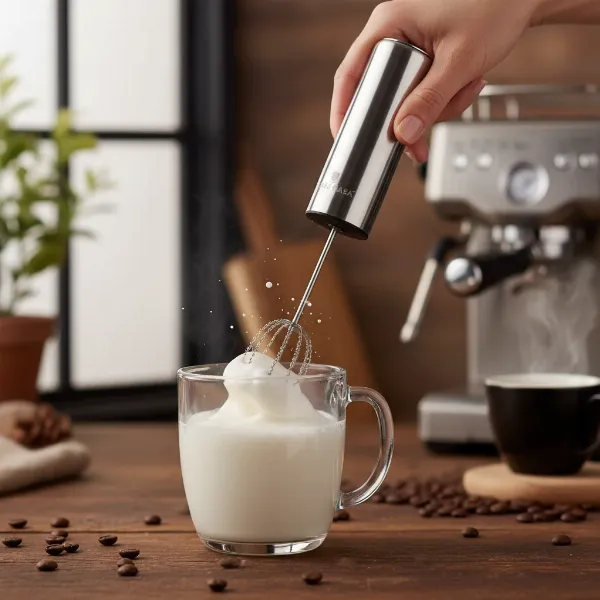
For many coffee enthusiasts, the art of a perfectly frothed milk transforms a simple cup into a café-quality experience. Whether it’s the silky microfoam for a latte or the voluminous cloud atop a cappuccino, achieving that ideal texture can elevate your daily ritual. But when it comes to home frothing, two popular contenders often emerge: the humble French press and the dedicated milk frother. Each offers a unique approach to aerating milk, but which one truly delivers the superior foam?
This comprehensive guide delves into the mechanisms, advantages, and limitations of both the French press and various types of milk frothers. We’ll compare them on critical factors like foam quality, ease of use, speed, and versatility, helping you decide which tool best suits your pursuit of the ultimate frothed milk.
Understanding Milk Foam: What Makes It Perfect?
Milk foam isn’t just about adding air to milk; it’s about creating a specific texture that enhances the overall drinking experience. Perfect milk foam, often referred to as microfoam, is characterized by its velvety smooth, glossy appearance and a consistency free of large, visible bubbles. It should integrate seamlessly with the coffee, adding a creamy sweetness and a luxurious mouthfeel without feeling airy or separating quickly.
The science behind this involves the proteins in milk unfolding as air is incorporated and heat is applied, trapping tiny air bubbles evenly within a protein-lipid matrix. This delicate balance of air incorporation and thermal stabilization, ideally around 60-65°C (140-150°F), is crucial for creating foam that is both stable and flavorful. Too cool, and the foam collapses; too hot, and the milk proteins can scorch, leading to a grainy, bitter foam. The right foam not only looks appealing but also plays a vital role in balancing the espresso, contributing to the sweetness and overall complexity of your beverage.
The French Press Method for Milk Frothing
The French press, typically known for brewing rich, full-bodied coffee, surprisingly doubles as an effective milk frother. Its simple design makes it an accessible and budget-friendly option for many home baristas.
To froth milk using a French press, start by heating your milk to the ideal temperature of 60-65°C (140-150°F) on a stovetop or in a microwave; avoid boiling it. Pour the warm milk into the French press carafe, ensuring it’s no more than halfway full to allow room for expansion. Insert the plunger and rapidly pump it up and down through the milk for about 30-60 seconds, or until the milk has roughly doubled in volume. The mesh filter forces air into the milk, creating foam. Once frothed, remove the plunger, gently tap the carafe on the counter to pop any large air bubbles, and swirl the milk to achieve a more uniform, glossy texture.
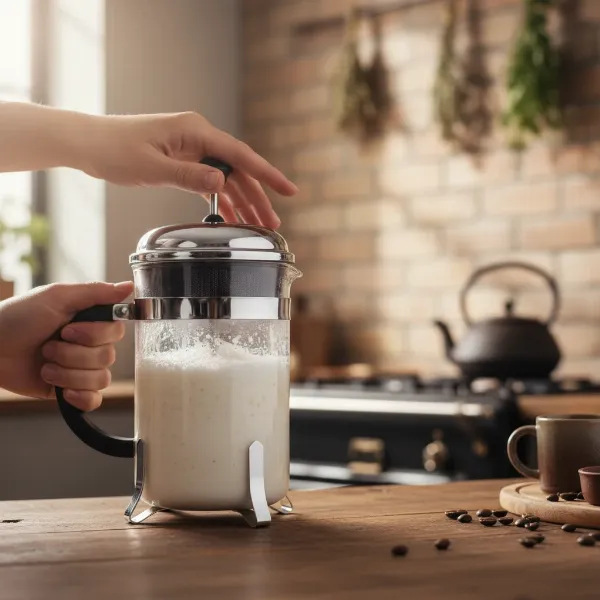 A person manually frothing milk in a glass French press for coffee with warm milk
Pros of Using a French Press for Frothing:
- Cost-Effective: If you already own a French press for coffee, there’s no additional purchase required.
- No Electricity Needed: This method is perfect for travel, camping, or simply when you want to avoid another plug-in appliance.
- Portability: French presses are generally compact and robust, making them easy to take on the go.
- Control Over Volume: You have direct control over how much air is incorporated, allowing for adjustments to foam volume.
|
Our Picks for the Best Milk steamer in 2026
As an Amazon Associate I earn from qualifying purchases.
|
||
| Num | Product | Action |
|---|---|---|
| 1 | HAUSHOF Milk Frother, 4-in-1 Electric Milk Frother and Steamer, Large Capacity, Hot Chocolate Maker, Automatic Warm and Cold Foam Maker for Coffee, Latte, Macchiato, Cappuccino |

|
| 2 | Milk Frother, Paris Rhône 4-in-1 Milk Steamer and Frother, Hot & Cold Foam Milk Warmer with Temperature Control, Auto Shut-Off Frothers for Coffee, Latte, Cappuccino, Macchiato |
|
| 3 | SIMPLETASTE Milk Frother, 4-in-1 Electric Milk Frother and Steamer, Automatic Warm and Cold Foam Maker and Milk Warmer for Latte, Cappuccinos, Dark Blue |
|
| 4 | Milk Frother, 4-in-1 Milk Frother and Steamer, 10.6oz Electric Milk Steamer, Automatic Cold and Hot Foam maker for Lattes, Cappuccinos, Ceramic Lining Interior (Polished) |
|
| 5 | Milk Frother and Steamer, Large Capacity & Detachable Electric Milk Frother, Automatic Warm and Cold Foam Maker, Hot Chocolate Maker, Stainless Steel Jug, 30.44Oz./900ML |
|
| 6 | SIMPLETASTE Milk Frother, 4-in-1 Electric Milk Steamer, Automatic Warm and Cold Foam Maker and Milk Warmer for Latte, Cappuccinos, Macchiato |
|
| 7 | Large Electric Milk Frother and Steamer, 16.9oz/500ml Milk Steamer and Frother for Latte or Hot Chocolate, Dishwasher Safe, 6 Functions, Enjoy Perfect Milk Froth in 2 Min (White-Glass) |
|
| 8 | SIMPLETASTE Milk Frother, 4-in-1 Electric Milk Steamer, Automatic Warm and Cold Foam Maker and Milk Warmer for Latte, Cappuccinos, Macchiato |
|
| 9 | Electric Milk Frother and Steamer, 16.9oz/500ml Milk Steamer and Frother for Latte, Dishwasher Safe, BPA Free, 4 Functions, Enjoy Perfect Milk Froth in 2 Min |
|
| 10 | Milk Frother, 4-in-1 Electric Milk Steamer, 350ml/11.8oz Automatic Frother Machine for Coffee, Warm and Cold Foam, Temperature Control for Latte, Cappuccino, Hot Chocolate |
|
Cons of Using a French Press for Frothing:
- Manual Effort: It requires physical exertion and can be tiresome for multiple servings.
- Inconsistent Results: Achieving consistent microfoam for latte art can be challenging, often yielding a coarser, airier froth with larger bubbles that collapse quickly.
- Separate Heating Required: The French press itself does not heat the milk, so you need an additional heating source.
- Potential for Mess: Vigorous plunging can sometimes lead to splashes, especially if the carafe is overfilled.
- Cleanup: While not overly complex, cleaning the mesh plunger can be more involved than a quick rinse.
This method is best suited for individuals who occasionally enjoy frothed milk, are budget-conscious, or appreciate a more hands-on approach, even if it means a slightly less refined foam.
The Milk Frother Method for Milk Frothing
Dedicated milk frothers are designed with the sole purpose of transforming milk into exquisite foam with minimal effort. The market offers a range of options, from simple handheld wands to sophisticated automatic machines, each catering to different preferences and needs.
Types of Milk Frothers:
- Handheld Milk Frothers: These are compact, battery-operated wands with a small whisk at the end. To use, simply immerse the whisk into pre-heated milk and activate it. The spinning whisk rapidly introduces air, creating foam. While effective, they don’t heat the milk themselves and often produce a lighter, airier foam rather than dense microfoam.
- Pros: Very affordable, portable, quick for single servings, easy to clean (just rinse the whisk).
- Cons: Requires separate milk heating, foam can be less consistent and airy, not ideal for latte art.
- Automatic Milk Frothers: These countertop devices are self-contained units that both heat and froth milk with the push of a button. They typically feature a non-stick jug and internal whisking mechanisms. Many models offer multiple settings for hot foam, cold foam, and different foam consistencies (e.g., dense for lattes, airy for cappuccinos).
- Pros: Exceptionally easy to use, highly consistent microfoam, simultaneous heating and frothing, various settings for different foam types, excellent for latte art.
- Cons: Higher initial cost, requires electricity, takes up counter space, can be harder to clean if not dishwasher-safe.
- Steam Wand Frothers (Espresso Machine Integrated): While not standalone frothers, these are the gold standard for café-quality microfoam. Integrated into espresso machines, they use steam pressure to heat and aerate milk simultaneously, allowing for precise control over texture and temperature, vital for latte art.
- Pros: Produces the finest, most consistent microfoam, heats and froths simultaneously, allows for advanced latte art techniques.
- Cons: Requires an espresso machine, significant initial investment, steeper learning curve, takes up considerable counter space.
For those who regularly enjoy milk-based coffee drinks and prioritize consistency, convenience, and high-quality microfoam, an automatic milk frother or an espresso machine with a steam wand is often the preferred choice.
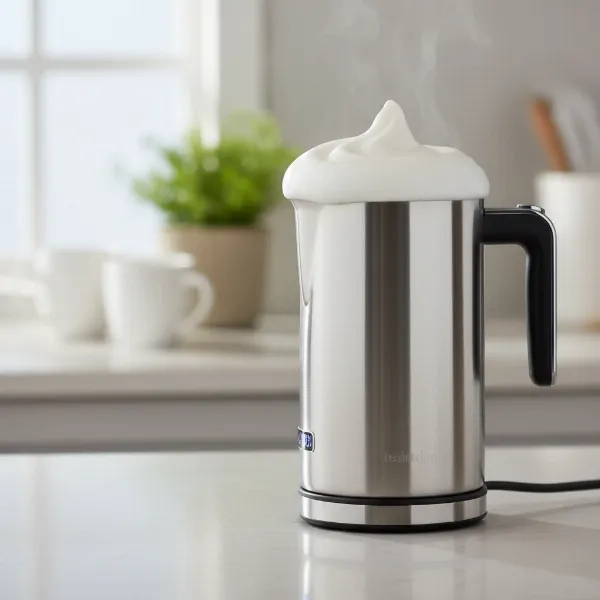 A sleek automatic electric milk frother creating dense foam in a modern kitchen setting
Direct Comparison: French Press vs. Milk Frother
When pitting these two popular frothing methods against each other, several key factors come into play:
- Foam Quality: This is arguably the most significant differentiator. Electric milk frothers, especially automatic models, are designed to create consistent, velvety microfoam with tiny, uniform bubbles, which is ideal for lattes and intricate latte art. The French press, while capable of producing foam, typically yields a coarser, airier froth with larger bubbles that tend to dissipate more quickly. While some users can achieve decent results with a French press, true microfoam is a rare feat.
- Ease of Use: Milk frothers, particularly automatic versions, win hands down on convenience. Simply pour in the milk, press a button, and wait for the perfect foam. The French press requires manual effort for plunging and separate heating of the milk, making it a more involved process. Handheld frothers are easy to use but also require pre-heated milk.
- Speed: Automatic milk frothers are generally faster, delivering heated, frothed milk in under 90 seconds. The French press method, including the time for separate heating and manual frothing, can take longer, typically 3-4 minutes.
- Cost: A French press is usually the most economical option, especially if you already own one. Handheld frothers are also inexpensive. Automatic electric frothers represent a moderate investment, while espresso machines with steam wands are the most expensive.
- Versatility: Automatic milk frothers often offer settings for both hot and cold foam, and sometimes even different foam consistencies. The French press is primarily used for hot foam and has limited versatility in terms of foam texture.
- Cleaning: Cleaning a French press involves disassembling the plunger and cleaning the mesh, which can be a bit tedious. Automatic frothers often have non-stick interiors for easier rinsing, though some parts may not be dishwasher safe. Handheld frothers usually only require a quick rinse of the whisk head.
Table Comparison: French Press vs. Milk Frother
| Feature | French Press Frothing | Milk Frother (Automatic) | Handheld Milk Frother |
|---|---|---|---|
| Foam Quality | Variable, airy, larger bubbles | Consistent, creamy microfoam | Good froth, can be airy |
| Ease of Use | Manual, more effort | Automated, very easy | Easy, manual control |
| Speed | Moderate (3-4 mins) | Fast (70-85 seconds) | Fast (30-60 seconds) |
| Cost | Low | Moderate to High | Low |
| Versatility | Limited (hot foam only) | High (hot/cold foam, varied texture) | Limited (hot foam, pre-heat required) |
| Cleaning | Requires disassembling plunger | Varies by model, usually easy | Rinse whisk head |
Choosing the Right Method for You
Selecting between a French press and a milk frother depends heavily on your individual preferences, lifestyle, and coffee habits.
- Consider your budget: If cost is a primary concern, and you already own a French press, it’s a great starting point. Handheld frothers are also very budget-friendly. For those willing to invest more for convenience and quality, an automatic frother is a worthwhile upgrade.
- Consider your frequency of use: If you only make frothed milk occasionally, the manual effort of a French press might not be a deterrent. However, for daily enjoyment of milk-based drinks, an automatic frother will save time and deliver consistent results.
- Consider the type of drinks you make: For simple, airy foam in a casual hot chocolate or a basic coffee, a French press or handheld frother suffices. If you aspire to craft lattes with intricate art or prefer a truly silky, café-style texture, an automatic milk frother is almost essential.
- Consider your desired foam quality: If microfoam is your goal, an electric milk frother is the clear winner. If you’re content with a lighter, more bubbly foam, a French press can certainly do the trick.
- Consider convenience and cleanup: Automatic frothers offer the most hands-off experience. Manual methods, while charming, require more active participation and can sometimes involve a slightly more involved cleanup process.
Tips for Achieving the Best Milk Foam (Regardless of Method)
No matter which tool you choose, certain universal tips can significantly improve your frothing results:
- Start with Cold, Fresh Milk: Cold milk (around 4°C/40°F) takes longer to heat, allowing more time for air to incorporate and for the proteins to stabilize effectively. Whole milk generally froths best due to its fat content, but oat milk also performs admirably. Skim and almond milk can be challenging to froth and maintain stability.
- Don’t Overfill: Leave plenty of room in your frothing vessel for the milk to expand as air is incorporated. Overfilling can lead to spills and less effective frothing.
- Heat to the Right Temperature: Aim for milk heated between 60-65°C (140-150°F). If using a method that requires separate heating, a thermometer is your best friend. Milk that is too cold won’t froth well, and milk that is too hot can taste scorched and flat.
- Clean Immediately: Milk residues can be stubborn. Rinse your frothing equipment immediately after use to prevent milk from drying and hardening, making cleanup much easier.
- Refine the Foam: After frothing, gently tap the bottom of your container on a hard surface to pop any large, unwanted air bubbles. Then, swirl the milk gently to integrate the foam and liquid, creating a smooth, glossy texture known as microfoam.
Common Issues and Troubleshooting
Even seasoned home baristas encounter issues with frothing. Here are a couple of common problems and how to address them:
- Milk not frothing: The most frequent culprits are milk temperature and type. Ensure your milk is cold before starting (if applicable to your method) and then heated to the ideal range. Experiment with different milk types; whole milk and certain oat milks are generally more forgiving. Also, check that your equipment is clean and functioning correctly, as blockages or faulty mechanisms can hinder frothing.
- Foam is too watery or too stiff/bubbly: This often comes down to technique (for manual methods) or settings (for automatic frothers). If foam is too watery, you might not be incorporating enough air or the milk isn’t reaching the optimal temperature. If it’s too stiff or full of large bubbles, you might be adding too much air too quickly, or the milk is overheating. For French presses, adjust your plunging speed and duration. For automatic frothers, ensure you’ve selected the correct setting for your desired foam consistency.
“Achieving the perfect milk foam isn’t just about the tool; it’s about understanding the milk. Cold, fresh milk, correctly heated, is the foundation for any exceptional froth.”
Conclusion
The debate between the French press and a dedicated milk frother ultimately highlights a trade-off between simplicity and sophistication. While a French press offers a wonderfully accessible and cost-effective way to produce frothed milk, its results tend to be more airy and less consistent, generally falling short of true microfoam. For those seeking the velvety texture essential for lattes and the convenience of a hands-free experience, a modern electric milk frother is an invaluable investment.
Ultimately, your choice should align with your budget, your desire for convenience, and the specific quality of foam you wish to achieve. Both methods have their place in the home coffee bar, each capable of elevating your coffee experience in its own way. Which method will you choose to embark on your journey to perfect foam?
Frequently Asked Questions
Which makes better foam: French press or milk frother?
For consistent, velvety microfoam suitable for latte art and premium coffee beverages, an automatic electric milk frother generally produces superior results. A French press can create foam, but it often yields a coarser, airier texture with larger bubbles that tend to dissipate more quickly.
Can a French press make microfoam for latte art?
While a French press can produce frothed milk, achieving true microfoam—the fine, silky texture necessary for intricate latte art—is very challenging and inconsistent. Electric milk frothers or steam wands are far better suited for this purpose.
Is an electric milk frother worth the investment?
For daily coffee drinkers who value convenience, consistency, and café-quality microfoam for lattes, cappuccinos, and other milk-based drinks, an electric milk frother is often considered a worthwhile investment. Many models also offer cold frothing options, adding to their versatility.
What kind of milk is best for frothing?
Cold, fresh whole milk typically froths best due to its fat and protein content, producing a rich, stable foam. Some plant-based milks, particularly oat milk barista blends, are also formulated to froth effectively. Skim milk can froth but may produce a lighter, less stable foam.
How do you froth milk in a French press?
Heat your milk to 60-65°C (140-150°F). Pour it into your French press (half full maximum), insert the plunger, and pump it rapidly up and down for 30-60 seconds. Then, tap the carafe and swirl the milk to refine the foam.
What temperature should milk be for frothing?
For optimal frothing, milk should be heated to between 60-65°C (140-150°F). Starting with cold milk allows more time for aeration, and avoiding temperatures above 70°C (160°F) prevents scorching, which can negatively impact taste and foam stability.