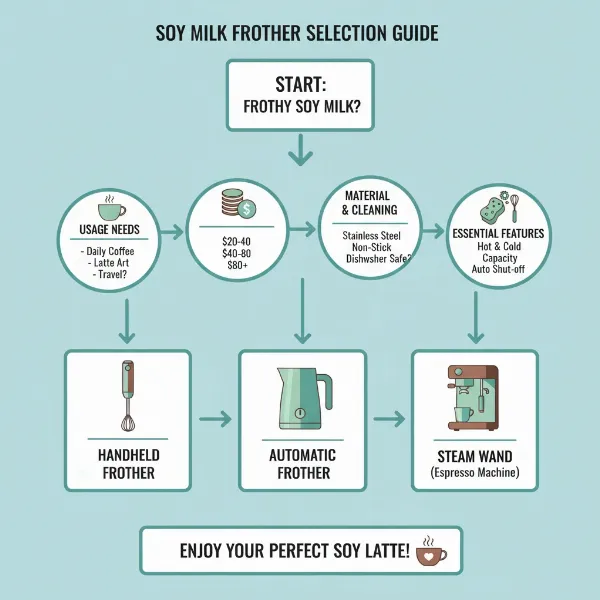
Transforming your daily coffee into a café-quality latte doesn’t have to break the bank. For years, I’ve seen enthusiasts and home baristas alike yearn for that perfect velvety milk foam, believing it’s only achievable with expensive, professional equipment. The truth is, with the right budget milk frother, you can craft delicious, frothy lattes right in your own kitchen for under $50. This guide will walk you through everything you need to know, from understanding different frother types to selecting and using the best affordable options available today.
What is a Milk Frother and Why Do You Need One for Lattes?
A milk frother is a kitchen tool designed to aerate milk, creating a light, airy foam or a rich, creamy microfoam ideal for enhancing coffee beverages like lattes, cappuccinos, and macchiatos. While traditional methods involve manual whisking or complex espresso machine steam wands, milk frothers streamline this process, making it accessible for everyone.
For the home barista, a dedicated milk frother offers numerous benefits. It allows for creative customization of your drinks, whether you prefer a thick, stiff foam for a cappuccino or the silky, pourable microfoam essential for latte art. Beyond the creative aspect, a good frother saves money on daily coffee shop visits and provides the convenience of enjoying your favorite specialty drinks anytime, without leaving your home. It’s about elevating an ordinary cup of coffee into an extraordinary experience, consistently producing the texture and temperature you desire for that perfect latte.
Types of Budget Milk Frothers Available
When exploring budget-friendly milk frothers under $50, you’ll primarily encounter three types, each with distinct advantages and ideal use cases.
Handheld Milk Frothers
These are often the most economical and portable option. A handheld frother typically consists of a battery-operated motor with a small whisk at the end. You immerse the whisk into your pre-heated milk and activate it to create foam.
- Pros: Extremely affordable, highly portable (great for travel or small kitchens), easy to use for quick foam.
- Cons: Requires manual effort and control for consistent results, does not heat milk (you’ll need to warm milk separately), generally produces lighter, airier foam rather than dense microfoam.
- Best for: Beginners, occasional users, those primarily interested in cold foam, or individuals with limited counter space.
|
Our Picks for the Best Milk steamer in 2026
As an Amazon Associate I earn from qualifying purchases.
|
||
| Num | Product | Action |
|---|---|---|
| 1 | HAUSHOF Milk Frother, 4-in-1 Electric Milk Frother and Steamer, Large Capacity, Hot Chocolate Maker, Automatic Warm and Cold Foam Maker for Coffee, Latte, Macchiato, Cappuccino |

|
| 2 | Milk Frother, 4-in-1 Electric Milk Steamer, 350ml/11.8oz Automatic Frother Machine for Coffee, Warm and Cold Foam, Temperature Control for Latte, Cappuccino, Hot Chocolate |
|
| 3 | SIMPLETASTE Milk Frother, 4-in-1 Electric Milk Steamer, Automatic Warm and Cold Foam Maker and Milk Warmer for Latte, Cappuccinos, Macchiato |
|
| 4 | SIMPLETASTE Milk Frother, 4-in-1 Electric Milk Steamer, Automatic Warm and Cold Foam Maker and Milk Warmer for Latte, Cappuccinos, Macchiato |
|
| 5 | SIMPLETASTE Milk Frother, 4-in-1 Electric Milk Frother and Steamer, Automatic Warm and Cold Foam Maker and Milk Warmer for Latte, Cappuccinos, Dark Blue |
|
| 6 | Milk Frother and Steamer, Large Capacity & Detachable Electric Milk Frother, Automatic Warm and Cold Foam Maker, Hot Chocolate Maker, Stainless Steel Jug, 30.44Oz./900ML |
|
| 7 | Electric Milk Frother and Steamer, 16.9oz/500ml Milk Steamer and Frother for Latte, Dishwasher Safe, BPA Free, 4 Functions, Enjoy Perfect Milk Froth in 2 Min |
|
| 8 | Milk Frother, 4-in-1 Milk Frother and Steamer, 10.6oz Electric Milk Steamer, Automatic Cold and Hot Foam maker for Lattes, Cappuccinos, Ceramic Lining Interior (Polished) |
|
| 9 | Large Electric Milk Frother and Steamer, 16.9oz/500ml Milk Steamer and Frother for Latte or Hot Chocolate, Dishwasher Safe, 6 Functions, Enjoy Perfect Milk Froth in 2 Min (White-Glass) |
|
| 10 | Milk Frother, Paris Rhône 4-in-1 Milk Steamer and Frother, Hot & Cold Foam Milk Warmer with Temperature Control, Auto Shut-Off Frothers for Coffee, Latte, Cappuccino, Macchiato |
|
Automatic Electric Milk Frothers
Automatic electric frothers are countertop appliances that both heat and froth milk with the touch of a button. They typically come in a jug-like design with an internal whisk.
- Pros: Hands-free operation, consistent foam quality, built-in heating function (often with temperature control), can produce different foam textures (hot, cold, light, dense).
- Cons: Generally more expensive than handheld models (though many good options exist under $50), takes up more counter space, can sometimes be trickier to clean due to internal components.
- Best for: Regular users, those who desire hot and cold frothed milk, and those seeking convenience and reliable results without manual effort.
Manual Pump Milk Frothers
These frothers resemble a French press. You pour milk into the carafe, then repeatedly pump a plunger with a mesh screen up and down to aerate the milk.
- Pros: Excellent control over foam texture, capable of producing very dense and creamy microfoam (ideal for latte art), highly durable (often made of glass and stainless steel), no electricity required.
- Cons: Requires physical effort, milk must be heated separately before frothing.
- Best for: Enthusiasts who enjoy the hands-on process, those who prioritize microfoam for latte art, and users who prefer a non-electric option.
Comparison Table: Budget Milk Frother Types
To help you quickly differentiate between the options, here’s a brief comparison:
| Feature | Handheld Frother | Automatic Electric Frother | Manual Pump Frother |
|---|---|---|---|
| Price Range | $10-$30 | $30-$50 | $15-$30 |
| Foam Quality | Light, airy | Consistent, often creamy | Dense, creamy microfoam |
| Heating | No (milk needs pre-heat) | Yes (built-in) | No (milk needs pre-heat) |
| Ease of Use | Simple, manual action | One-touch, hands-free | Manual pumping |
| Portability | High | Low | Medium |
| Best For | Quick, occasional foam | Daily lattes, hot/cold | Latte art, control |
How to Choose the Right Budget Milk Frother
Selecting the perfect budget milk frother for your lattes involves considering a few key factors to ensure it meets your specific needs and preferences.
First, assess your usage needs and frequency. If you’re an occasional latte drinker, a simple handheld frother might suffice. However, for daily lattes or if you plan to make multiple drinks, an automatic electric frother offers more convenience and consistent results. Also, consider if you need hot, cold, or both types of foam. Some handheld models only froth cold milk, requiring separate heating.
Your budget is, of course, a primary concern, but even within the under-$50 category, there’s a spectrum of quality and features. Don’t simply opt for the cheapest; prioritize value, balancing cost with performance and durability. Look for features like stainless steel components for the whisk or pitcher, which tend to be more durable and easier to clean.
Finally, think about specific features that matter to you. Do you want adjustable temperature settings, different whisk attachments for varied foam densities, or an automatic shut-off for safety? Reading reviews for specific models, especially those mentioning performance with lattes and different milk types (dairy vs. non-dairy), can provide invaluable insights. Reliable brands, even in the budget segment, often come with better customer support and warranty options.
Top 5 Budget Milk Frothers Under $50 for Lattes
After extensive review of available options, here are our top 5 budget milk frothers that deliver excellent performance for lattes without exceeding a $50 price point. Each offers a unique balance of features, ease of use, and frothing quality.
1. Instant Pot 4-in-1 Milk Frother and Steamer
The Instant Pot 4-in-1 is a fantastic automatic electric frother for those seeking versatility and consistency within a budget. Typically priced around $31-$40, it’s often lauded as a “best value” option. This model offers four settings: cold foam, warm thick foam, warm light foam, and hot milk without foam, giving you plenty of customization for your lattes and other beverages. It performs admirably with whole milk, producing a silky, consistent foam. While oat milk might yield slightly looser bubbles, the foam holds its volume well. Its quiet operation is a bonus for early morning coffee rituals, and the lid and whisk are often dishwasher-safe for easy cleaning.
2. Chinya Milk Frother
Coming in just under the $50 mark at around $48, the Chinya Milk Frother is another strong contender in the automatic electric category. It provides three modes: hot foam, cold foam, and heated milk without frothing, offering excellent flexibility. Users consistently praise its ability to produce creamy, rich frothed milk that isn’t overly thick, achieving an ideal foam-to-milk ratio and temperature for lattes. Its wider basin design makes cleaning more convenient, allowing for easier access with a sponge. This frother is a solid choice for those prioritizing consistent quality and ease of maintenance in an automatic unit.
3. Subminimal NanoFoamer Milk Frother
For those aspiring to latte art on a budget, the Subminimal NanoFoamer is a game-changer. Starting from around $37, this advanced handheld frother stands out for its unique design, which creates a microfoam texture incredibly close to what you’d achieve with an espresso machine. Unlike typical handheld whisks, the NanoFoamer uses a broader, three-pronged plastic whisk covered by a fine mesh screen, allowing it to produce exceptionally fine, silky foam. It features two frothing levels, with the highest speed quickly generating beautiful foam. While it’s a handheld device, its frothing capability is significantly more robust than basic models, making it ideal for crafting professional-looking lattes.
4. Zulay Original Milk Frother
The Zulay Original Milk Frother is a popular, highly-rated handheld option that is incredibly budget-friendly, typically under $20. It’s celebrated for its simplicity and efficiency, capable of producing airy foam in seconds with just the press of a button. This frother features a durable stainless steel whisk and an ergonomic handle for comfortable use. While it doesn’t heat milk, its speed and effectiveness make it perfect for quickly frothing milk you’ve warmed separately, or for making cold foam lattes. It’s a no-frills tool that consistently gets the job done and often includes a stand for convenient storage.
5. Bodum Latteo Manual Milk Frother
If you appreciate a hands-on approach and desire superior microfoam quality, the Bodum Latteo Manual Milk Frother is an excellent choice, usually priced between $17-$27. Resembling a French press, this manual frother allows you complete control over the frothing process by repeatedly plunging a mesh screen through heated milk. Its robust construction, often featuring a glass carafe, allows you to observe the frothing in action. Experts note that manual frothers like the Bodum Latteo can yield impressive foam textures, making it possible to pour intricate latte art. This option is perfect for those who enjoy the ritual of coffee making and prioritize precision in their foam.
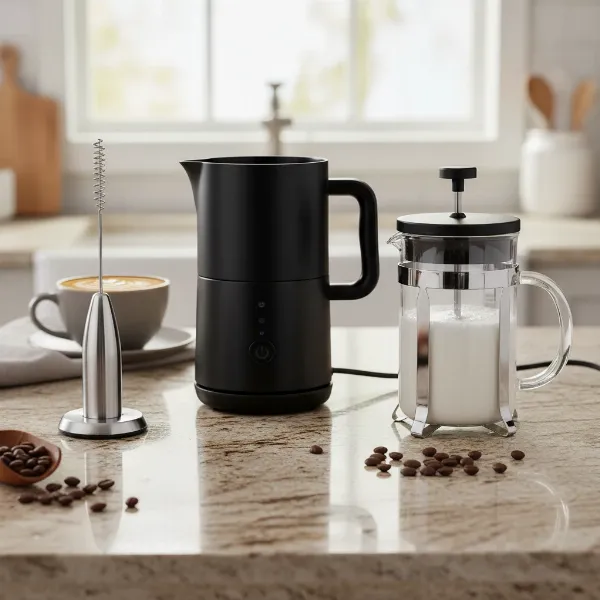 Different types of milk frothers: handheld, automatic electric, and manual pump milk frothers.
Tips for Using and Maintaining Your Milk Frother
To get the most out of your budget milk frother and ensure longevity, proper usage and maintenance are key.
Firstly, always use cold, fresh milk for frothing, ideally straight from the refrigerator. Colder milk allows for more air incorporation, resulting in a richer, more stable foam. While whole milk generally produces the best results due to its fat content, many budget frothers are surprisingly effective with various plant-based alternatives like oat or almond milk; just be aware that results can vary. Secondly, never overfill your frother beyond the indicated max fill line to prevent spills and ensure optimal frothing performance. The milk needs ample space to expand as it aerates.
After each use, clean your milk frother immediately. For handheld models, simply rinse the whisk attachment under warm water. For automatic electric frothers, most have non-stick interiors that can be wiped clean with a damp cloth, and some have dishwasher-safe components like lids and whisks. Avoid immersing the electric base in water. Manual frothers, especially those with glass carafes, are typically easy to wash by hand or are often dishwasher-safe. Prompt cleaning prevents milk residue from hardening, which can affect performance and hygiene. Finally, store your frother in a dry, safe place where it won’t be damaged, away from direct heat or moisture. Following these simple steps will ensure your frother remains a reliable tool for perfect lattes.
Common Milk Frother Issues and How to Troubleshoot Them
Even with the best budget milk frother, you might encounter occasional issues. Here are some common problems and straightforward solutions:
Problem: The milk frother is not producing foam, or the foam is weak/sparse.
- Cause: This is often related to the milk itself or the frother’s cleanliness.
- Solution: Ensure you are using cold, fresh milk; older milk or milk that isn’t sufficiently chilled will struggle to froth properly. Also, check the type of milk you’re using. While many frothers handle non-dairy milks, some types (like skim milk) produce less stable foam. Finally, inspect the frother and whisk for cleanliness. Any dried milk residue can impede the whisk’s ability to aerate effectively. Give it a thorough cleaning.
Problem: The frothed milk has large, inconsistent bubbles instead of fine microfoam.
- Cause: This usually indicates over-frothing or incorrect technique, especially with handheld or manual models.
- Solution: For handheld frothers, try to keep the whisk just below the surface of the milk, incorporating air gradually. Avoid plunging too deep or frothing for too long. For manual frothers, a gentler, more controlled pumping action can help create finer bubbles. With automatic frothers, this is less common, but ensuring the correct whisk (if interchangeable) is used for the desired foam type can help.
Problem: The foam collapses quickly after being poured into the coffee.
- Cause: This often stems from using milk that is too warm to begin with, or a poor quality/type of milk.
- Solution: Start with very cold milk to allow for maximum air integration and stability. For automatic frothers, ensure the heating cycle is not set too high, as overheated milk can result in quickly dissolving foam. Using milk with a higher fat content (like whole milk) generally produces more stable and longer-lasting foam. If using non-dairy alternatives, look for “barista blend” versions specifically designed for frothing.
By understanding these common issues and applying these troubleshooting tips, you can quickly get back to enjoying perfectly frothed milk for your lattes.
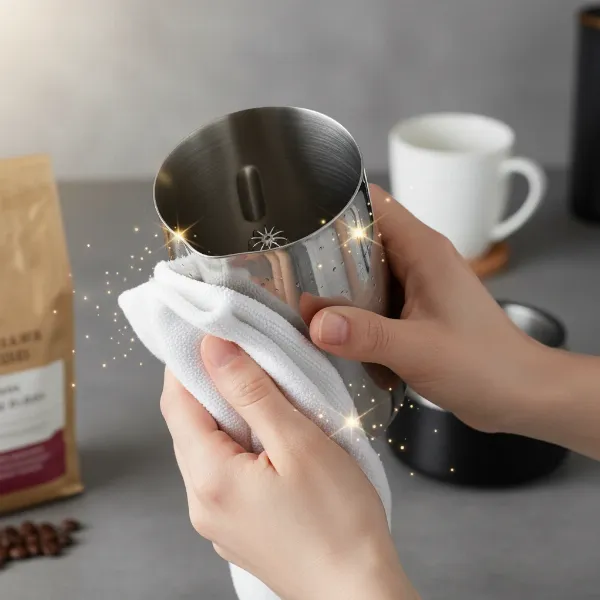 A person cleaning an automatic electric milk frother after use, wiping the interior with a soft cloth.
“For the perfect latte, focus on the milk’s temperature. Always start with cold milk, and aim for a final temperature between 135-150°F (57-65°C) for optimal texture and sweetness.” – Admin, milksteamerfrother.com
Conclusion
Creating delightful, cafe-style lattes at home is entirely achievable, even on a budget. As we’ve explored, the market offers a fantastic array of budget milk frothers under $50, ranging from versatile automatic electric models to powerful handheld wands and precise manual pump frothers. The key is to understand your personal needs and preferences, choosing a device that aligns with how you’ll use it most often.
Investing in one of these affordable milk frothers means unlocking a world of creamy, frothy coffee experiences without stretching your finances. Whether you’re aiming for a quick morning pick-me-up or honing your latte art skills, there’s a budget-friendly option ready to transform your daily brew. So, what kind of latte will you create first with your new milk frother?
Frequently Asked Questions
Which type of budget milk frother is best for latte art?
For achieving the fine, dense microfoam necessary for latte art, the Subminimal NanoFoamer Milk Frother (an advanced handheld) or a Manual Pump Milk Frother like the Bodum Latteo are generally your best options under $50. The NanoFoamer is specifically designed to emulate steam wand microfoam, while manual pump frothers offer precise control over texture.
Can I use non-dairy milk with budget frothers?
Yes, most budget milk frothers can handle non-dairy milks like oat, almond, soy, and coconut milk. However, results can vary significantly between milk types and frother models. For best results, consider using “barista blend” non-dairy milks, which are formulated to froth better and produce more stable foam.
How important is milk temperature for frothing?
Milk temperature is crucial for successful frothing. Always start with cold milk (straight from the refrigerator) as it allows for optimal aeration and volume expansion. For hot lattes, automatic electric frothers will heat the milk to the ideal temperature, usually between 135-150°F (57-65°C), which enhances sweetness and foam stability. If using a handheld or manual frother, heat your milk separately to this range before frothing.